Categories
Brandon Blog Post

BANKRUPTCY IN ONTARIO CANADA SECRETS REVEALED

[monkeytools msnip=”http://monkeyplayr.com/playr.php?u=5173&p=20475″]

Bankruptcy in Ontario Canada: Introduction

Most people are afraid of filing for bankruptcy in Ontario Canada and rightly so. It should be a last resort. There are many options available to people in financial trouble. All of them should be canvassed before deciding to declare bankruptcy.

In my professional practice, during the first free consultation appointment, we look at all options with the person to avoid bankruptcy. We naturally have a discussion about what it is and how it will affect the person. That way, the potential client is aware of all the options and can make an educated decision.

In this Brandon’s Blog, I discuss the questions that I am most often asked about the process. Hopefully, by the end of this blog, I will have demystified the process for you and helped in aiding your understanding.

The secrets we will show

Bankruptcy in Ontario Canada is definitely something nobody wants to talk about. So, therefore, it makes it seem very mysterious and secretive. It is also very scary. Therefore, from now on in this blog, so as not to scare you unnecessarily, I will try to refer to it only as “the B word”. I will only use the B word if the context requires it. This Brandon’s Blog will hopefully pull back the curtain in answering the most often asked questions thereby reducing the mystique and hopefully, your anxiety about this topic.

Where do I begin?

The first step is recognizing that you have financial problems and that bankruptcy in Ontario Canada might be your new reality. If you are having difficulty meeting all of your financial responsibilities or have actually quit paying all of your bills on time, you have a financial problem. As a licensed insolvency trustee (Trustee) we are the only professional licensed and supervised by the Federal government – Industry Canada (OSB).

If you are having financial problems, you must contact a Trustee as soon as possible, to have a free consultation to check your situation and to understand all the options available to you, including the B word. In that free appointment, you will learn that the B word may not be your only alternative to leave your debt behind. There are a number of choices that include, however, are not restricted to:

Should I declare the B word and what happens immediately if I do?

Declaring the B word is obviously a very serious step and a difficult personal choice. If the Trustee has properly explained all the realistic options available to you, it will make your choice much less scary. The first question is do you even qualify to file for the B word. You must be insolvent, owe more than $1,000 in unsecured debt to qualify for it in Canada.

As far as filing for the B word in Premier Doug Ford’s province, you must have:

  1. carried on business in the province during the year immediately preceding your B word; or
  2. lived in the province during the year before your B word; or
  3. where 1 or 2 above don’t apply, the majority of your property is in the province.

Note that the first test is that you are actually insolvent. Insolvent or insolvency is a financial condition. It means that you are:

  1. Unable to meet your obligations generally as they become due.
  2. You have ceased paying your current debts as they come due.
  3. The fair value of all of your assets is less than the total amount of your debts.

The B word is a legal state. Insolvency is a financial condition.

If I go for the B word, will I lose everything?

If you declare the B word, no, you will certainly not lose everything. There is a listing of things that are excluded from seizure in Ontario. The list is:

  • Necessary clothing for you and your dependants.
  • Home furnishings and appliances that are of a worth not more than $13,150.
  • Tools and various other personal effects not worth more than $11,300, made use to earn revenue from your business. If you are an Ontario farmer, this amount increases to $29,100 for everything, including your livestock.
  • One car or truck that is worth not more than $6,600.
  • The cash surrender value of life insurance if your beneficiary is what is called a “Designated Beneficiary”.
  • Your Registered Retirement Savings Plan (RRSP), Registered Retirement Income Fund (RRIF) or Deferred Profit Sharing Plan (DPSP) other than for any amounts contributed in the 12 months immediately preceding your date of bankruptcy.
  • $10,000 of equity in your home but only if your share of the equity is less than $10,000 in total.

So if you go the way of the B word, based on this listing, you won’t lose everything. However, as you can see, if your share of the equity in your home is significant, the B word very likely is not for you. One of the other options is probably more suitable and you should pursue one of them.

What happens to the money I owe?

Once you go with the B word, all of your unsecured debts are frozen. Creditors cannot begin or continue any legal action against you. Any garnishee on either your wages or your bank account must come off. Normally if you owe money to Canada Revenue Agency (CRA) and have not kept up with a payment plan to them, they will garnishee your bank account which stops you from using it. The B word stops a CRA garnishee against your bank account or salary or wages also.

Similarly, a creditor who sues you and gets a judgement against you cannot continue any execution against your assets.

Once you are in the B word, the Trustee sends a notice to all of your creditors, along with a proof of claim form and instructions. With certain limited exceptions, the only remedy your unsecured creditors have is to file a proof of claim with the Trustee.

This does not apply to any of your debts owed to lenders who hold valid security against a specific asset. Examples would be a bank holding a mortgage against your home in return for the mortgage money or a lender who has security against your car for an auto loan.

What takes place to my salary or wages once I file?

Your income is not impacted by the B word process. You will continue to receive your normal salary or wages as you always have. You will need to complete Income and Expense Forms throughout detailing your and your spouse’s earnings and expenses. This is part of your budgeting procedure to meet one of the aims of the B word process; financial rehabilitation.

If your family income goes beyond specific requirements developed by the OSB, you will need to pay a part to the Trustee. This is called a surplus income payment requirement. In the first free consultation, I always tell potential clients whether they will have such a requirement. We also then look at that requirement, if any, to see if a consumer proposal would be more beneficial to the person than the B word.

Will the B word process get rid of my student loans?

If the B word date is within 7 years of when you stopped being a full-time or part-time student, your student loan debt will not be released by the B word process. Nevertheless, in particular situations, you might have the ability to make an application to the court for a discharge of your student loan financial obligations under the “hardship provision.” It is almost impossible to get that court-ordered discharge, but the slim possibility is there.

Will I still owe money after I file?

Only for a limited amount of debts. A discharge from the B word process does not cover:

  • secured loans – home mortgage or vehicle loan;
  • certain student loans (remember the 7-year rule I just mentioned?);
  • penalties or fines enforced by the court;
  • spousal support and alimony you have to make in your separation agreement or divorce proceedings; and
  • any debts from a fraud.

What length of time will I be in the B word system?

The length of time you will be in the B word system depends on whether this is an initial or 2nd time and whether you have surplus income. The minimum length of time is 9 months. That is if you don’t have any surplus income, none of your creditors oppose your discharge and it is your first time.

If it is your first time, none of your creditors oppose your discharge and you do have surplus income, then the 9 months increases to 21 months.

If it will not be your first time, the length of time before you can get a discharge will depend on many factors. We certainly discuss it during your first free consultation.

Who will find out that I have filed?

As soon as you declare the B word your Trustee will tell your creditors, the CRA, the credit bureaus and the OSB. The filing is public information and it will show up in your credit history.

Where your non-exempt assets given to the Trustee are worth more than $15,000, there must be a legal notice of your B word filing in the local paper.

Exactly how will it impact my credit score?

A person who files drops down to the least favourable credit rating (R9) immediately. After you declare the B word, you must start to work on improving your credit score. Once you are discharged, you will have more options to improve on your credit score and rebuild your credit.

Notice of the B word process will stay on your credit record for 7 years after you get your discharge.

How is my partner or spouse affected by my filing?

Your spouse or partner is not directly impacted by your filing. Your spouse or partner will have to show his or her income as part of your surplus income calculation. The partner or spouse will be liable to repay any loan they have co-signed or guaranteed for you. They will also have to repay any credit card balance on your account for which they have and used a supplementary card to make purchases.

Will my bankruptcy impact my ongoing divorce case?

In Canada, the B word rules do not conflict with most of the family law system and process. So the Trustee will not get involved in your family law proceedings, with two main exceptions.

There is an aspect of your divorce in Ontario that will be affected because Ontario is an equalization province. There are generally only 2 parts of your divorce proceedings your Trustee will certainly get involved in. One is when it pertains to the person who filed legal rights to entitlement to an equalization payment. Second is when the debtor owns property (either jointly with the spouse or alone) and such property has not already been dealt with in the family law proceedings.

How do I choose the right Trustee for me?

Sometimes people just say that “I want to go to the closest Trustee near me”. If travelling or time is an issue for you then that approach is quite legitimate.

The better way is making an appointment for a cost-free no commitment first consultation with a Trustee. If you can, it is best to get a referral from someone you trust. Otherwise, perform an online search and see which Trustee’s website resonates best with you. Ask any kind of questions you might have about your particular situation and the options you may have.

If after that appointment you feel comfortable with the knowledge and demeanour of the Trustee, and you felt confident that you received proper answers to your questions, then great. If not, make an appointment for a free first consultation with a different Trustee. Use that experience to compare both to see who you would like to put your trust in. At the end of the day, you have to know who you will be dealing with and feel comfortable with them. You have to know that your Trustee gets you!

Do you have too much debt? Are you having a problem making your month-to-month bill payments? Is your company dealing with financial obstacles that you just can’t figure the way out of?

If so, call the Ira Smith Team today. We have years and generations of experience aiding individuals and businesses looking for financial restructuring or a debt settlement plan. As a licensed insolvency trustee, we are the only experts recognized, licensed and supervised by the Federal government (the OSB) to provide insolvency recommendations and solutions to help you prevent the B word.

Call the Ira Smith Team today so you can end the stress and anxiety financial problems create. With the special roadmap, we develop unique to you, we will promptly return you right into a healthy and balanced stress-free life.

You can have a no-cost consultation to aid you so we can repair your debt problems. Call the Ira Smith Team today. This will definitely enable you to make a fresh start, Starting Over Starting Now.

bankruptcy in ontario toronto

Categories
Brandon Blog Post

MY BILLS ARE HIGH: 6 THINGS TO IMMEDIATELY DO

my bills are too high

If you would prefer to listen to the audio version of this my bills Brandon’s Blog, please scroll to the bottom and click on the podcast

My bills are high: Introduction

It is very common when I sit down with a person who has come to my office for a free consultation to hear them say “my bills are high”. As a licensed insolvency trustee, my role is to first understand the person’s entire situation. It is quite possible that I can recommend a few alternatives to avoid bankruptcy.

The purpose of this Brandon’s Blog is to talk about the importance of budgeting and more things a person with financial problems can do before even considering the “B” word.

First thing – household budget

I will show you how to catch up when you are behind on your financial obligations by using a proper household budget plan process. I must warn you that there is no magic wand to wave to make things right. You will have to learn the budgeting technique and be willing to invest a great deal of effort, time and personal and family sacrifices. But it will be worth it. When you are back on track and living within your means, you will have a new stress-free outlook on life.

To start the monthly budget plan process, it does not matter if you use an electronic spreadsheet, a paper listing of income and expenses or a clean calendar. Whatever you are most comfortable using. The process will be the same.

The starting point is for you to list all your bills with their due dates. Don’t forget to make note of any special expenditures during any specific month, such as a spouse or child’s birthday present. Make sure you list all of your expenses regardless if you pay them by cheque, cash, credit card or online payment.

Next, list your monthly income by the date(s) during the month your wages or salary end up in your bank account. Make sure that you are listing your net take-home pay, net of income tax. That is the actual amount of income that you have to spend in any given month.

The 4 corners

Now that you know exactly how much money is coming in every month available for you to pay your expenses, you have to organize your expenses. You first need to know what I call your four corner expenses. These are the expenses that you will have to pay before anything else. This is true whether you continue working at the same place or you lose your job and are looking for new work. The expenses that I call the four corners are:

  • Rent or mortgage payment.
  • Food costs.
  • Heat and electric bills.
  • Clothing expenses.

These are your essentials. Nothing else can be considered before them. So fill in your regular monthly amount for each one. Total up the amount of your four corners expenses and deduct it from your take-home pay. The difference is what you have left over each month to spend on other expenses.

Now go down the list of the rest of your expenses. Car payments, gas and vehicle maintenance, insurance, cable, internet, credit card payments and anything else that you have listed. See what all those expenses total. If the total of those is more than you have leftover cash from the four corners exercise above, then you have to make adjustments. You either have to reduce your other expenses or you have to increase your income. Perhaps it may even be a combination of the two.

If you are behind on any of your payments, because your bills are too high right now, you are going to have to work into your budget increasing the amount of the monthly expenses that you are behind on. However, there is an exception. The exception is that you start with your four corners payments you are behind on.

It won’t help you to bring your credit cards current if the gas company is about to shut off your ability to heat your home. Bringing a life insurance payment current won’t help you if you are behind on your rent or mortgage payments. So again, your four corners payments have to be brought current first. Then you can focus on your other expenses.

Do not worry about anything else. You put it on hold due to the fact that at the end of the day, if you were to have lost your job, the four corners is what you require to make it through, not a credit card payment. You don’t need to fret about your credit rating decreasing since if you are starting this trip you are not looking to borrow more money that needs your credit score to be spot-on. That will come over time after you have your financial house in order.

You worry about taking care of your four corners first. That is a good mind trick to getting yourself out of the loop of being addicted to letting your bills go late. imagine if you would have lost your job you would have no other choice but to not pay the credit cards.

Balance the rest of your expenses

Now, normally when you’re behind on payments that mean that you don’t have enough money to cover all your bills and that is totally fine. I need to emphasize that is totally fine. You will be able to catch up eventually. Most people find ways to catch up by either:

  • Further reducing expenses.
  • Selling stuff.
  • Using an annual bonus.
  • Increasing income with overtime, a part-time job or side hustle.

You need to take care of business. That way you are treading water, not sinking in it!

Now, what about the non-four corners monthly payments that you are deferring. Yes, eventually the credit card company, such as, is going to start hounding you. You will have to explain your temporary problems, tell them what you are doing to correct things, and when you think you will really begin to resume payment. It doesn’t matter who the creditor is. The process of explaining the issues and getting a deferment or grace period is the same. Do not hide from your creditors. Explain the situation and show them that you have a solution for your common problem.

For additional ways to pay down your debt, take a look at my blog DEBT HELP NEAR ME: OUR TORONTO DEBT REPAYMENT CALCULATOR STRATEGY. In it I explain the two most common methods of paying down bills you are behind on; the debt snowball method and the debt avalanche technique.

If you budget properly and stick to your budget, you will get caught up and your credit will recover with time. Now that you actually have control over your expenses and you know to the day of every month what you earn and what you pay, you can then look at some alternatives if you cannot get current before a creditor stops waiting and is beginning to take action against you.

Once you have the budget process mastered and you are following your budget, you won’t have to say “my bills are high”.

Second thing – rebuilding credit

Rebuilding credit is essential. There are many points beyond your control that could have contributed to you’re getting behind on your bills and your resulting bad credit ranking – losing your job, an illness or a divorce. The most vital thing is to recognize what is within your control that got you into difficulty and ensure that you don’t repeat the same mistakes twice.

There are many strategies that you can use to restore your credit score. Here are a few suggestions:

  • Continue with the budget plan I showed you above and continue to pay down your debt.
  • Pay your expenses in a timely manner
  • Contact a creditor instantly if you are having a problem making payments to advise them and work out a payment plan that you can honour.

If you do not qualify for any type of loan, apply for a secured credit card and stop using the normal credit cards that got you into trouble.

Third thing – credit counselling

The first two things I have mentioned are for those who can do it on their own. If you discover yourself experiencing money problems and feel that you need the help of an expert, credit counselling is a great place to start.

A certified credit counsellor professional, can look at your current situation and offer you many alternatives for taking care of the debt.

Credit counselling can solve debt problems. It will also give you the skills to properly budget, pay down your debt and then go on to live debt free. Credit counselling solutions consist of the budgeting process and credit repair that I have already talked about. It also will include lessons on how to use debt wisely. It may also include a proper debt administration program.

Debt administration programs are made to aid you to repay debt. You enlist willingly in a debt administration program; it is not court mandated. When you enlist, a debt counsellor will contact your creditors and ask for their participation in lowering your debt. Your lenders might agree to decrease the amount of debt owing or eliminating or reducing the interest owing. Not all financial debts are covered under a debt monitoring program. Secured debts are generally not included. This is because the creditor can repossess the house or car if you do not make your payments.

One word of caution. We have had cases where certain debt administration firms failed to provide any type of purposeful solution for the people. They charged costs and didn’t give any kind of results. We suggest that you contact what you believe to be a reputable credit counselling firm, you do not retain them until after getting and vetting a couple of references of people who have gone through the program you are considering and you receive positive reviews.

Fourth thing – debt consolidation

Debt consolidation is a loan that allows you to settle all your financial obligations to several or all of your lenders simultaneously, leaving you with just one loan payment. Your debt consolidation loan interest rate must be less than the average interest rate of the debts you are settling.

Not all debts can be included in a debt loan consolidation financing. Secured financial debts like your home mortgage or car loan cannot be included; however unsecured debt like credit card debt and other regular monthly bills that you are now behind on can be.

In order to qualify for a debt loan consolidation, you will require to have an acceptable credit score and sufficient income to show to the lender that you can make your new month-to-month payment in addition to your other regular monthly expenses. Debt consolidation is something you ought to consider before you are in more significant financial troubles. If you have a poor credit score you will certainly not qualify.

There are many benefits to a debt loan consolidation financing that include yet are not limited to:

  • Interest rates are less than the rates of interest on credit cards
  • Your unsecured creditors will be paid in full
  • You will have the benefit of making only one monthly payment
  • You ought to be able to keep a good credit report rating

Fifth thing – consumer proposal

Your financial problems may have gotten to the point where you just don’t have enough time to get current using one or a combination of the 4 things I have already explained. Worse, you may have gotten breathing room and accommodation from your creditors. However, you were not able to keep current on your new payment plan. If this is the case, do not fret because there is a solution.

By using a licensed insolvency trustee (formerly called a bankruptcy trustee) (Trustee), you can reach a binding deal with your creditors to settle your debts at less than the amount you owe in total. The process for this debt settlement plan is called a consumer proposal.

Consumer proposals are options to avoid bankruptcy. A consumer proposal is available to people whose total financial debts do not go beyond $250,000. This limit is not including financial obligations for mortgage or line of credit loans registered against your principal home.

Consumer proposals have formal rules governed by the Bankruptcy and Insolvency Act (BIA). Dealing with a Trustee you make a proposal to:

  • Pay your creditors a percentage of what you owe them over a specific time period (not more than 5 years).
  • Extend the time you need to pay off the debt.
  • It could be a combination of both.

Payments are made to the Trustee who is the administrator of your consumer proposal. The Trustee then uses that money to pay each of your creditors their part of the payments.

The advantages of a consumer proposal are:

  • You maintain all of your possessions
  • Collection actions against you by unsecured creditors, such as garnishments are stopped
  • Unlike informal debt settlement, the consumer proposal is a legal process where every one of your creditors must heed your restructuring
  • You do not have to claim bankruptcy

Sixth thing – bankruptcy

If you have left things too late, or other reasons why none of the 5 things I have already described will work for your situation, then the sixth thing is bankruptcy. Personal bankruptcy is meant to allow the honest but unfortunate person shed themselves of their debt. That way you can start over fresh and new.

Our goal as a Trustee is to ensure that you understand the bankruptcy process and how it can be used to get your life back on track.

We will first help you understand the 5 things I have already described that might be available to you to avoid bankruptcy. If bankruptcy is the only solution, we will guide you back on the roadway to financial health and wellness. We design solutions to ease the stress you meet and bring you:

  • Relief from bothering calls from debt collectors.
  • Freedom by extricating you from garnishments.
  • Provide you the ability to live better than just hanging on one paycheque to the next.
  • Improve your credit scores.
  • Give you an improved and enhanced wellness and well-being.

My bills are high: Do you have too much debt and need help?

If so, call the Ira Smith Team today. We have years as well as generations of experience aiding individuals and companies needing financial restructuring. As a licensed insolvency trustee, we are the only professionals accredited and followed by the Federal government to provide debt restructuring options.

You can have a no-cost appointment for us to gather the necessary information to advise you on how to fix your debt difficulties. We can end your pain so that you will begin your clean fresh start, Starting Over Starting Now.
[monkeytools msnip=”http://monkeyplayr.com/playr.php?u=5173&p=20444″]

Categories
Brandon Blog Post

BANKRUPTCY HELP: SIGNS YOU NEED HELP

bankruptcy help

If you would rather listen to the audio version of this bankruptcy help Brandon’s Blog, scroll down to the bottom and click on the podcast.

Bankruptcy help: Introduction

When people ask for bankruptcy help, they really don’t want to talk about bankruptcy. What they are really asking for is help in eliminating the pain, suffering and stress they are going through dealing with their unmanageable debt. They want solutions to avoid bankruptcy. In this Brandon’s Blog, I discuss the debt danger signals and provide solutions to avoid bankruptcy.

As a licensed insolvency trustee (formerly known as a bankruptcy trustee), we are the only professionals licensed and monitored by the Federal Government. We provide options and proposed solutions to people and companies with too much debt. Our main goal is to help people and companies AVOID bankruptcy while solving their debt problems.

Bankruptcy help: 10 signs that you need help

  1. Your total debt has increased over the past year. You may be making minimum payments on some debt, paying down other debt, but increasing your debt in total. You have not accomplished anything in reducing your debt in the past year and this means you need help.
  2. Justified purchasing a new vehicle even though your existing one is fine, just not new. Taking on more debt just because of a “want” but not a “need” is irresponsible. You need help.
  3. Bought a new house with a larger mortgage, or mortgages, because you expect your income to rise in the future. Wages and salaries are not increasing in any real way. They are flat. Voluntarily carrying a larger debt load hoping that sometime in the future your income will catch up to your cash needs is not a responsible way of handling your affairs. You need help with your debt.
  4. Have borrowed money to go on a vacation. You should never go into debt to purchase something that is going to vanish in a week or two. The vacation will be gone but the debt will remain. If you can’t afford a vacation, you can’t go on one.
  5. Justify purchases based on what your peers are buying. Again, going into more debt because you want things your friends are buying is not a good reason. Their situation is not your situation. Maybe they can afford those things but you can’t. Maybe they can’t afford those things and will end up in bankruptcy. You just don’t know. Again, you can’t go into debt for “wants”.
  6. You have no emergency fund saved up. Recent surveys have shown that Canadians may be a few hundred dollars away from a financial disaster. Many Canadians are living paycheque to paycheque. You don’t know when a medical emergency, job loss or the need to replace a major appliance will happen. You need an emergency cash fund to cover those emergencies. If you have too much debt and no emergency fund savings, you need debt help.
  7. No retirement savings. It is never too soon to start planning to save a certain part of your take-home pay for retirement. A proper household budget will allow for such savings. If you are constantly battling your debt and have no money for savings, you need debt help.
  8. You quit your job without having another one lined up. This is probably the most irresponsible thing you can do. It may seem obvious to you, but trust me, I have seen it. The best way to land a better paying job or position is when you already have one. Trying it any other way is pure folly, especially when you have too much debt. Your regular monthly debt payments will not wait for you to have your income stream rolling again. Keep in mind that I am not talking about someone who is downsized and was given a package. I am talking about someone who quits without having new employment ready to go to.
  9. You are always borrowing from one source to pay down another. There isn’t enough money from your earnings to make your required debt payments. The fact is that you are borrowing from Peter to pay Paul. You’re in trouble and need debt help.
  10. You ignore your partner’s bad money habits or worse, financial infidelity. Your money habits may be impeccable. However, ignoring your partner’s money problems will bring you down too. You both need debt help.

Bankruptcy help: How we provide debt help

The first thing we offer is a free first consultation. You explain to us the financial issues you are facing. Then we talk to you about your family assets, liabilities and income. We then describe to you some possible options to help you overcome your debt problems. More information will be needed from you, but at least we start by setting your mind a bit at ease by telling you that your situation is not hopeless and we can give you solutions. All of the solutions we offer, except maybe one, are all so you can avoid bankruptcy.

The takeaways we want everyone to get from this free consultation is that you feel:

  1. We have empathy for your situation.
  2. A rapport has been built.
  3. We are the kind of people you can see yourself working with.
  4. You trust us.

If you wish to go ahead with our solving your financial and debt problems, the next step is that we have you complete our standard intake sheet called the Debt Relief Worksheet. A fully completed worksheet, complete with backup documents, allows us to drill down into all the issues and come up with our definitive recommendations.

Bankruptcy help: What are some possible solutions

The range of possible solutions depends on when we get to speak with you. Most people wait until they have no more credit line to use. Sometimes it takes a major event like the Canada Revenue Agency garnisheeing their bank account or wages before they realize they have a debt problem. The earlier you recognize there might be a problem and come speak with us, the more options we will have for you to solve your debt problems.

The range of options might include:

Credit counselling

Credit counselling is in fact debt therapy. We give advice with a host of concerns connected to debt consisting of budgeting, debt remedies, working with your lenders as well as restoring credit scores.

Debt consolidation

Debt consolidation is replacing all of your debts with new single financing at a lower overall interest rate so that you only have one debt to focus on reducing.

Consumer proposal

A consumer proposal is an official deal made to your creditors under the Bankruptcy and Insolvency Act (Canada) to customize your repayments; e.g. paying a lesser amount every month for a longer amount of time and paying in total less than you owe. Another benefit is that the interest clock stops the moment you file your consumer proposal.

If none of the above 3 possible solutions to avoid bankruptcy will work for you, then you are a candidate to file for bankruptcy so that you can end the pain and stress your debts are causing you. This way you can be Starting Over, Starting Now.

Bankruptcy help: Do you have too much debt?

Do you have too much debt? Are you stressed that future interest rate increases will make currently affordable payments completely unaffordable? Is the pain, stress and anxiety hurting your wellness and health?

If so, speak to the Ira Smith Team today. We have decades and generations of helping people and companies looking for financial restructuring. As a licensed insolvency trustee (formerly called a bankruptcy trustee), we are the only experts licensed and supervised by the Federal government to provide insolvency services.

Call the Ira Smith Team today for your free consultation and to make sure that we can begin assisting you to return right into a healthy, balanced, hassle-free life.


[monkeytools msnip=”http://monkeyplayr.com/playr.php?u=5173&p=20280″]

Categories
Brandon Blog Post

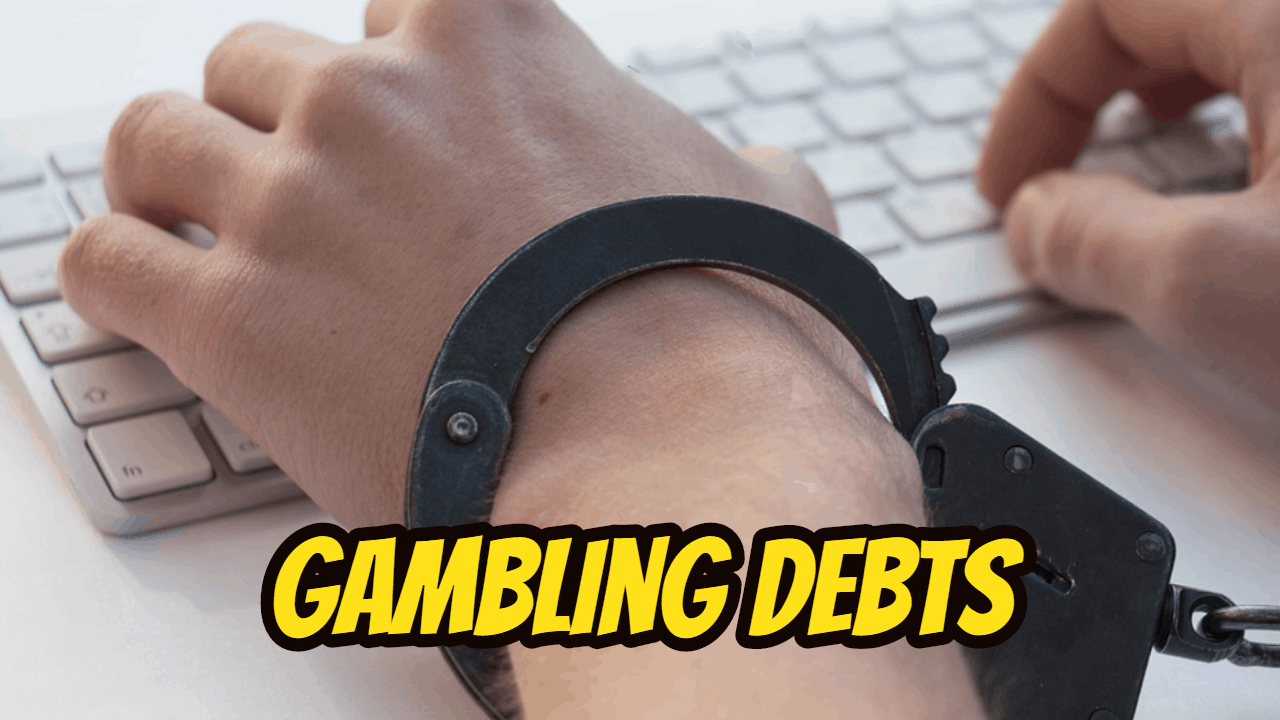
GAMBLING DEBTS HELP

[monkeytools msnip=”http://monkeyplayr.com/playr.php?u=5173&p=20148″]

Gambling debts: Introduction

The Canadian insolvency process is geared to deal with gambling debts or any debt resulting from addiction. It does not only deal with the debts caused by borrowing money to feed an addiction. The insolvency process is uniquely positioned to deal with the person’s total rehabilitation. When the person hits rock bottom with debts they cannot repay and no more credit to keep borrowing to feed the addiction, a licensed insolvency trustee (LIT or Trustee) (formerly called a bankruptcy trustee) is positioned to help not only with the debt issues but also the rehabilitation issues. Let me explain.

My firm has been involved in helping people out of their debt problems arising from addiction issues. The most common are gambling, alcohol and drug addictions. Professionals have referred us their family members suffering because of an addiction. In my January 31, 2018 blog, GAMBLING DEBT BANKRUPTCY: CAN GAMBLING DEBT BE DISCHARGED IN BANKRUPTCY?, I discussed from a procedural view the issue of gambling debts and bankruptcy. In this blog, I want to focus on how the insolvency process, especially bankruptcy, can deal with overall rehabilitation.

I will draw on my own personal case studies and specifically refer to a recent decision of the Supreme Court of Nova Scotia in Bankruptcy and Insolvency in Donaldson (Re), 2019 NSSC 33.

Gambling debts: What the LIT is expected to do

The free consultation provided by a LIT to an insolvent person pre-filing is where a LIT would find the addiction issues. It will also be noted on the person’s initial filing documents in filing either a consumer proposal or for bankruptcy. The Canadian insolvency system is geared towards giving the honest but unfortunate consumer a fresh start.

In cases of addiction, the LIT must also point the person to community resources to aid in healing the person with the addiction to lead a sober life. This must be a pre-condition for any LIT to support the addicted person’s consumer proposal or discharge from bankruptcy. This is how my practice works. It is also the view of the Court in the Donaldson case.

Gambling debts: The Donaldson facts

Gloria Donaldson and Wayne Donaldson are fourth-time bankrupts. This is their 5th experience with the Canadian insolvency process as one of their filings was a consumer proposal. They made separate filings. The Court found that it really should have been a joint filing.

Gloria and Wayne were 65 and 73, respectively. The Court holding their discharge hearing found both Gloria and Wayne to be forthright, honest and trustworthy. Yet, this is the 4th bankruptcy and the 5th use the Bankruptcy and Insolvency Act, RSC 1985, c. B-3, as modified (BIA).

They declared the source of this bankruptcy as an overextension of credit on real house improvements. They did not list gambling. However, Registrar Balmanoukian found that there is no doubt on the evidence before him that gambling was a significant factor to at least speed up driving the Donaldson’s to this 5th insolvency filing.

The Donaldson’s filings spanned a duration of nearly 40 years. They are seniors. Their future income is restricted, by age and health.

Gambling debts: The bankruptcy discharge will not be easy

A 4th bankruptcy is a really major issue. Without a doubt, also for applications including third-time bankrupts the Courts have revealed an unwillingness in providing the bankrupt’s discharge. At the very least not without an extensive suspension or similar burdensome terms.

Coming to Court for a discharge as a 3rd-time bankrupt is a serious matter. The Court must be satisfied that the insolvent understands and has made enough adjustments in his/her life. The Court wants to know it won’t be possible that an additional bankruptcy will take place.

By the time a person has actually gotten in a 3rd bankruptcy, the objective, as well as the intent of the Act, changes from its restorative function of helping sympathetic yet unfortunate debtors to a shielding culture, and protecting innocent possible creditors. The most effective intents and hopes of such bankrupts is no longer the main issue. The main issue is that creditors be shielded from the insolvent’s shown economic inexperience, carelessness and negligence.

In a 4th bankruptcy, the Court has to pay cautious interest in creating a suitable yet custom treatment when determining what is right in the bankrupt’s application for discharge. The Bankruptcy Court is not just there to be a financial car wash. The truth is that these bankrupts are not rogues. That, however, is not enough of a reason to approve a discharge.

A 4th bankruptcy is a clarion call to the Court and its officers that these people should never come before the Bankruptcy Court again. The issues need to be fixed.

Gambling debts: The bankruptcy discharge must serve a purpose

The proof is clear that Mr. and Mrs. Donaldson did not have the possibility of having sources with which to pay any kind of meaningful amount on their much debt. The passage of time and their health and wellness have actually prevented this. Nevertheless, that does not imply that the Court can only enforce a token wag of the finger and a reprimand “do not do it ever again”.

What the Registrar decided is frankly, something that the LIT should have already done. When I am faced with potential bankrupts whose debt has arisen as a result of spending money they did not have on their addiction, this is what I tell them. I say that if they wish to have any chance of having a discharge from bankruptcy, then they need to get themselves into a rehab program immediately. Gamblers Anonymous and AA are two that we regularly refer clients to. We also tell them that for discharge purposes, they will need to have their sponsor verify to us, in writing, that they have regularly attended and continue to attend meetings to help themselves.

This way, by the time we come to Court, we can prove rehabilitation has already begun. Real rehabilitation helps the person get back on to a clean, healthy life. We have many examples of people we have helped overcome drug, alcohol and gambling addictions, as part of cleaning up their financial debts. In some cases, these people have even become leaders and sponsors themselves in the rehabilitation program that helped them so much. I have great pride in hearing years later from such former addicts I have helped when they tell me that they have saved up enough to buy a home, now have a better job and their family is in a better place because of my help.

The Donaldsons need to get themselves resolved to live within their earnings. They also must learn to stop gambling if they wish to have a chance of surviving this bankruptcy.

Gambling debts: The Registrar’s decision

So the Registrar ordered that the Donaldsons:

  • Shall attend such counselling for gambling abuse and/or addiction for such period as is necessary to get an opinion from a qualified counsellor or medical professional that both of the Donaldson’s are able to conduct themselves without going back to gambling in any way.
  • Refrain from gambling in any form, and further that they enrol and stay enrolled in the voluntary exclusion program with Casino Nova Scotia;
  • Absolutely stop obtaining credit from any lender in any form, except as approved in advance and in writing by the Trustee.
  • Disclose and subject to any provincial exemptions, turn over to the Trustee any property of either or both that comprises “property of the bankrupt” within the meaning of the BIA between the date of the Donaldson’s’ bankruptcies and their discharge.
  • Upon compliance with the foregoing for a period of at least five years from the date of the decision, the Donaldson’s may make a further application for discharge.

The Registrar’s decision is right. The Donaldsons will finally get the help they need to fight their gambling addiction. They will come clean with their LIT about handing over any non-exempt assets. They will not be able to borrow money for gambling again. Once they have been “clean” for 5 years, they may reapply to their discharge from bankruptcy. Hopefully, by then, they will be able to live a healthier life without the stress of gambling debts.

Gambling debts: Do you have too much debt?

Do you have too much debt because of an addiction or otherwise? Are you worried that the future interest rate hikes will make presently affordable commitments entirely unmanageable? Is the discomfort, tension and anxiousness presently detrimentally affecting your health and wellness as well as health?

If so, speak to the Ira Smith Team today. We have decades and generations of helping people and companies looking for financial restructuring. As a licensed insolvency trustee (formerly called a bankruptcy trustee), we are the only experts licensed and supervised by the Federal government to provide insolvency services.

Call the Ira Smith Team today for your free consultation and to make sure that we can begin assisting you to return right into a healthy, balanced, hassle-free life.

gambling debts

Categories
Brandon Blog Post

BANKRUPTCY STATISTICS CANADA 2018: SCARED OF INSOLVENCIES IN CANADA OR DEBT?

bankruptcy statistics

If you would rather listen to the Bankruptcy statistics Canada 2018 blog audio file, please scroll down to the end for the podcast.

Bankruptcy statistics: Introduction

On January 4, 2019, the Office of the Superintendent of Bankruptcy Canada issued its bankruptcy statistics report “Insolvency Statistics in Canada—November 2018”. Most of the headlines on this report quoted that Canadian insolvencies rose 5.2% in November 2018. While true, that headline alone could create the impression that we now have runaway bankruptcies in Canada. Nothing could be further from the truth. Let me explain.

Bankruptcy statistics: The latest numbers

Total insolvencies in November 2018 was 5.2% higher than total insolvencies in November 2017. That is what the press has quoted. However, that statistic by itself is meaningless. The complete number of insolvency filings (proposals and bankruptcies) in Canada lowered by 2.5% in November 2018 contrasted to the previous month.

For the 12-months ending November 30, 2018, total insolvencies boosted by 2.0% compared with the 12-month period ending November 30, 2017. This is a fairly modest total increase. Keep in mind that insolvencies in Canada have been at historically low levels for the last 9 years! A total annual increase of 2% from a historic low number is hardly an epidemic.

Consumer insolvencies for the 12-months ending November 30, 2018, increased by 2.0% compared to the 12-months ending November 30, 2017. Consumer personal bankruptcies were down by 5.0%, while consumer proposals were up by 8.4%. The percentage of proposals in consumer insolvencies increased to 55.7% during the 12-month period finishing November 30, 2018, up from 52.4% throughout the 12-months ending November 30, 2017. This means that over half of those Canadians who made an insolvency filing in this time period avoided bankruptcy. This is a good thing.

Business insolvencies for the 12-month period ending November 30, 2018, decreased by 0.6% compared to the 12-month period ending November 30, 2017. The industries with the largest decrease in insolvencies were mining and oil and gas. The industries with the largest increase in insolvencies were building and construction and retail.

Bankruptcy statistics: What is the real issue

The real issue is not these statistics. Rather, it is the historic high level of Canadian household debt amassed when interest rates were at near zero percent levels. Now that we are in a gradually increasing interest rate environment for the foreseeable future, not every person or company carrying high debt will be able to continue meeting their obligations and will have to resort to an insolvency proceeding.

I have written about the dangers of carrying too much debt for many years now. We are now entering the period where the rubber meets the road. Stephen Poloz, Governor of the Bank of Canada, feels the Canadian economy is doing sufficiently well to slowly boost rates of interest. Mr. Poloz believes to be tightening up that a bit. At the exact very same time, the latest insolvency statistics show that the marketplace now tells a story that there may be room for some actual pessimism about the Canadian economy.

Previous Bank of Canada Governor Mark Carney and the former Finance Minister, the late Jim Flaherty, warned the Canadian consumer to place the economy on their back and march it up a high hill. We did and it worked. This is now the outcome of it.

Bankruptcy statistics: Canadian household debt

There’s a good deal of conversation on what that suggests specifically for Canadians. It isn’t that the warnings have actually not been there for a while. The most recent statistics show that Canadian household debt is around 170 percent of disposable income. The regular Canadian owes $1.70 for every single buck of revenue made each year, after tax.

Twenty years ago, the proportion was 100%. So as you can see, there has been a stable climb in Canadians’ cravings for more financial debt. We have among the greatest financial obligation percentage of any of the Organisation for Economic Co-operation and Development participant nations. For those carrying high debt, it is now time to buckle your seat belts as interest rates will continue to rise.

There were indications that the Canadian consumer was thinking of their budgeting. Statistics Canada previously reported that retail sales were slowing down. Now in the latest insolvency statistics, we see that retail is one of the industry sectors that had an increase in corporate insolvency filings.

With rates of interest increasing, so does the cost of borrowing and the cost of maintaining variable rate loans. Fixed rate loans that mature will need to be refinanced at higher interest rates if the loan cannot be repaid in full.

Bankruptcy statistics: Debt in a rising interest rate environment

Do you have too much debt? Does your company have too much debt and is in danger of shutting down? Are you concerned that future interest rate hikes will make currently manageable debt totally unmanageable? Are the pain and stress now negatively affecting your health?

If so, contact the Ira Smith Team today. We have decades and generations of helping people and companies in need of financial restructuring and counselling. As a licensed insolvency trustee (formerly known as a bankruptcy trustee), we are the only professionals licensed and supervised by the Federal government to provide debt settlement and financial restructuring services.

We offer a free consultation to help you solve your problems. We understand your pain that debt causes. We can also end it right away from your life. This will allow you to begin a fresh start, Starting Over Starting Now. Call the Ira Smith Team today so that we can begin helping you and get you back into a healthy, stress-free life.
[monkeytools msnip=”http://memochimp.com/memo.php?u=4931&p=3613″]

Categories
Brandon Blog Post

FINANCIAL NEW YEAR’S RESOLUTIONS 2019: WILL YOU KEEP YOUR FINANCIAL NEW YEAR’S RESOLUTIONS 2019?

financial new year's resolutions 2019

If you would prefer to listen to the audio of this financial new year’s resolutions 2019 version of this Brandon’s Blog (with an introduction from a celebrity guest), please scroll to the bottom and click on the podcast.

Financial New Year’s resolutions 2019: Introduction

The New Year has arrived. I wish all of my readers a healthy, happy and prosperous New Year. By now, many people have made themselves promises on how they will improve in 2019. Many people make New Year’s resolutions, including financial new year’s resolutions 2019. In this Brandon’s Blog, I explore what are many of the common resolutions people make and what the chances are on people actually carrying them out.

Financial New Year’s resolutions 2019: The 8 most common resolutions

Other than the first one, in no particular order, the 8 most common New Year’s resolutions are:

Lose Weight. The Number 1 New Year’s Resolution is to drop weight. We’ve all seen it, or become aware of it. Many resolve to lose weight, but few truly complete it in the long-term. That is why January every year is when the weight loss programs, gyms and workout products advertise heavily.


Do Better Than Last Year. Often, life is simply hard. In between family members, good friends, your work, and all the various other stress and anxieties that life can toss at you, it simply appears sometimes that absolutely nothing can go right. And also some years are simply a plain draw. So, after a year of grinding via the days, weeks, and months, you’re prepared for a do-over. You’re prepared to do anything to make sure that the following year begins the very best way it can. So, this resolution is to merely attempt to have a better year than the last one.

Exercise. One of the most usual New Year’s resolutions has to do with ones very own health and wellness. Among the many health and wellness promises, is working out. When you consider it, it’s not just wishing to slim down (which is the number 1 resolution), it’s in fact about wishing to be more powerful, quicker and generally in better shape.

When your body is in peak condition, it does do far better. An in shape body functions far better, provides you with much more power, boosts your mind’s abilities and a lot more. DON’T try to push your body in the beginning to do more than it can handle. Any personal trainer will tell you to begin slowly and work yourself up from there. Set realistic goals for yourself.


Save More/Spend Less. Cash is what people need and the most common of all the financial New Year’s resolutions 2019 is to make sure that we have more of it in the New Year. This is especially true for most Canadians, who are living paycheque to paycheque.

The best way to start your financial plan for the New Year is to first look at what happened in the year that just ended. Reflect on your year. I’m certain you’ll realize some things about your immediate past financial behaviour. Some items that you wish you had not purchased or lost money on. Or, if you understood then what you currently know, you would certainly have done things in a different way and saved yourself a couple of bucks in the process.

In other words, look at your income and expenses carefully and budget properly for the New Year. Your proper budget must include saving a certain amount from each paycheque to put away in an emergency savings fund for when there is an unexpected, well, emergency. Your budget will also hopefully allow for other savings to be able to invest for the longer term.

Use the start of the brand-new year to begin preparing just how you could invest your new savings. In your personal financial plan or budget, concentrate on things you NEED versus the many things you WANT. By doing this one simple thing, you will find you will have more in your savings account. This is the best way to stay on track to meet your financial New Year’s resolutions 2019.


Get More Sleep. Depending upon the researcher you listen to, the body requires between 6-8 hours of rest. Our bodies can work on much less, yes, yet it’s not something that a lot of medical professionals advise. This is another one of the resolutions fitting into the health and wellness category.

Get A New Hobby/Skill. Whether we intend to confess or otherwise, most of us wish to be our best selves. We do not simply intend to be the individual that undergoes the movements, we intend to have something we can expect each week, and even take pride in.

So, with a brand-new year, comes a chance to learn new skills or do something different in our lives than just the “same old, same old”. For some, it, in fact, implies attempting to get new skills for getting a better paying job. For others, they see it as a possibility to handle a new pastime or discover something that they’ve always intended to do or learn.

Quit Smoking/Drinking. Humans are animals of routine, yet in some cases, those behaviours are actually, REALLY negative for you. Two of the ones that cover the “negative for you” checklist is alcohol consumption to such an excess that it is an addiction and smoking cigarettes. Like any addiction, this is very tough to do and many times requires the help of trained professionals.

Volunteer. While practically every one of these resolutions is created to aid oneself in one fashion or another, this one helps both the self and others. One of the best ways to help others is to volunteer your time. Volunteer to what? To help any place you can certainly. In some cases, it’s at a homeless shelter, or to assist a close friend in need. There are many opportunities to help the less fortunate. However the crucial point is that you place yourself 2nd, and the needs of others first. Spreading a little happiness can go a long way for a person. Therefore if you wish to assist others, do not hesitate to ask, “What do you need?”. You may be amazed by simply just how much you can help somebody.

Financial New Year’s resolutions 2019: Why do we do it?

We cannot forecast the future. In some cases, it’s tough to anticipate what will take place in the following couple of hours, not to mention the following 12 months. Why do we do it? Well, it’s mainly since we intend to think that we have some power over the future. If we can state to ourselves, “This year will certainly be different, this will certainly be the year I will make changes for me”, it’ll place us in the best attitude to get down to business and do things. The feeling that we have control over our lives is exceptional.

Financial New Year’s resolutions 2019: Will we keep our resolutions?

It begins straightforward. We look in the mirror, see what we don’t like and resolve to make the changes that probably should have been made a long time ago. We will establish worthy ventures to do simply that thing or things. However, most people will drop off the wagon within a short period of time. What? I’m not being mean, I’m being genuine. Making significant changes in your life is hard.


We are hyped for the New Year. We are. so tired of what occurred in the previous year that we are ready to make the changes we promised ourselves we would make. We may also have invested a lot of time informing other people what changes we will make in the New Year. But then life gets in the way and we fall short.

Financial New Year’s resolutions 2019: Falling short is OK

It does not matter that I fell short all my resolutions actually. I need to so that I can ensure that I can improve further! Of course, I should not try to fail them, but it is normal to fall short. No one is perfect. As long as you see that you have made improvements in the right direction, that is what really counts.

So, make sure that your goals are realistic. Even if you fall short, you have improved immensely and that will be your new starting point for the next New Year’s resolutions. I hope all of you improve your life in some area this year, and that will be your new starting point when 2019 comes to an end. This includes your financial New Year’s resolutions.

Do you need professional help to meet your financial goals?

As I stated above, sometimes professional help is required to meet a New Year’s resolution. We may not have all the skills required. Improving your financial situation may be one of those areas where professional help is required. Maybe you only need a coach to keep you focussed on performing your financial new year’s resolutions 2019. Perhaps on a personal level, you might require only some credit counselling or debt consolidation. On a more formal basis, you may need a debt restructuring plan in the form of a consumer proposal in order to eliminate your debts and get back on the right financial path. In some extreme cases, personal bankruptcy may be what is needed.

Perhaps your company is in need of financial restructuring. Perhaps your lender is threatening receivership or bankruptcy so you are in need of a financial advisor skilled in insolvency matters. A licensed insolvency trustee (formerly called a bankruptcy trustee) is the only professional licensed and supervised by the Canadian Federal government skilled in both personal and corporate insolvency matters If you or your company have too much debt, call the Ira Smith Team for your free consultation. We understand your pain, and we have the prescription to end your pain forever. Call the Ira Smith Team today, so that you can begin your improved life for this New Year 2019, Starting Over, Starting Now!

[monkeytools msnip=”http://memochimp.com/memo.php?u=4931&p=3613″]

Categories
Brandon Blog Post

INCOME TAX DEBT RELIEF: DO YOU KNOW THE WAY TO INCOME TAX DEBT RELIEF?

income tax debt reliefIncome tax debt relief: Introduction

As 2018 draws to a close, I want to wish all of our readers a very happy, healthy and prosperous New Year. I hope that 2019 will be a great year for all of us. You have no doubt been bombarded so far with emails, articles, and programs on getting income tax debt relief for 2018 by making sure that you have taken advantage of all possible deductions before the year ends tonight. I thought I would take a slightly different approach to talk about another rich and famous person who is in hot water with the IRS.

Income tax debt relief: Even the rich and famous have income tax debt problems

We have previously written about rich and famous people who have debt problems and who have filed for bankruptcy. Their debt problems arose mainly out of irresponsible spending, financial mismanagement and income tax problems. These blogs were written to show you that it is not only ordinary people who run into trouble. People who many would think to have “all the money in the world” can also have financial problems. Financial mismanagement is not only an illness of the poor or middle class. It can strike anywhere or anyone.

Income tax debt relief: Some of our past rich and famous financial disaster blogs

Our previous financial mismanagement of the rich and famous includes:

FAMOUS CELEBRITY BANKRUPTCIES HAPPEN TOO

In this blog, I pointed out that many rich and famous people have gone bankrupt, including:

  • Samuel Clemens (Mark Twain)
  • Michael Jackson
  • Abraham Lincoln
  • Dorothy Hamill – Gold Medal Skater
  • Johnny Unitas – Football Hall of Fame
  • Milton Hershey – Founder Hershey’s
  • H.J. Heinz – Founder Heinz
  • Marvin Gaye
  • Mick Fleetwood – Fleetwood Mac
  • Walt Disney
  • Larry King
  • Burt Reynolds
  • PT Barnum
  • Tom Petty
  • David Cassidy
  • David Crosby
  • Ed McMahon
  • Henry Ford
  • M.C. Hammer
  • Toni Braxton
  • Natalie Cole
  • Robin Williams
  • 78% of former NFL players have gone bankrupt or are under financial stress because of joblessness or divorce within two years of retirement.
  • The National Endowment for Financial Education says that 70% of all people who suddenly receive large amounts of money will lose it within a few years.

FORMER PRO ATHLETES WHO ARE BROKE: EARN OVER $400 MILLION & GO BANKRUPT?

In this blog, I talked about former pro athletes who are broke. Former NBA star and broadcaster Charles Barkley estimates that 60% – 70% of professional athletes go broke for all or any of the following reasons:

  • Buying lavish gifts and giving money to family and friends
  • Unsupportable lifestyles
  • Mansions around the world
  • Yachts
  • Exotic cars
  • Bad business ventures
  • Bad money managers
  • Not understanding financial matters
  • Zero savings
  • No rainy day fund
  • No retirement plan

DEBT FORGIVENESS CRA: CANADA REVENUE AGENCY BEATS DONOVAN BAILEY

In this blog, I wrote about Canadian Olympian. Donovan Bailey and his income tax debt problems with Canada Revenue Agency (CRA). We also described his income tax debt relief settlement plan to cut his income tax debt.. It seems that Mr. Bailey was not able to outrun CRA. Therefore he needed a formal debt settlement plan.

DEBT SETTLEMENT VS CONSUMER PROPOSAL CANADA: ENGLISH REALITY TV STAR KATIE PRICE NEEDS

This blog was about UK celebrity Katie Price who had many financial problems. I spoke about her financial issues and her UK bankruptcy proceedings.

Income tax debt relief: Dionne Warwick

Grammy Award-winning vocalist Dionne Warwick has filed for bankruptcy because she was in need of income tax debt relief. The 72-year-old vocalist, well-known for hits such as “Do You Know the Way to San Jose” and “That’s What Friends Are For” submitted the bankruptcy documents in New Jersey, where she lives.

She listed assets of $25,500 and liabilities of greater than $10.7 million in her bankruptcy filing. Her largest debt is income tax debt of near $7 million owed in back tax obligations to the Internal Revenue Service (IRS) as well as greater than $3 million in tax obligations to the state of California. This includes interest and penalties.

She declared her present income as $20,950 a month, with monthly expenditures just $10 less than that. Dionne Warwick’s press agent, Kevin Sasaki, claimed that the vocalist’s personal bankruptcy was primarily the outcome of “irresponsible and gross financial mismanagement” in the late 1980s to the mid-1990s.

Income tax debt relief: Start 2019 off the right way

No one likes to pay taxes, but everyone hates having CRA tax debt problems. Do you require CRA debt forgiveness? If you’re considering bankruptcy because of income tax debt, or for any reason. We can show you bankruptcy alternatives to get CRA debt forgiveness. We can end your debt pain through a consumer proposal, debt consolidation, and credit counselling. Contact a professional that you can trust – Ira Smith Trustee & Receiver Inc.

The Ira Smith Team has decades and generations of experience dealing with diverse issues and complex files, including negotiating with CRA. We deliver the highest quality of professional service. Don’t settle for less. Give us a call today and Starting Over, Starting Now you can overcome your financial difficulties.

Again I wish all of you a healthy, happy and prosperous New Year.
[monkeytools msnip=”http://memochimp.com/memo.php?u=4931&p=3613″]

Categories
Brandon Blog Post

CONSUMER PROPOSAL CANADA PART OF BANKRUPTCIES LAWS IN ONTARIO?

[monkeytools msnip=”http://monkeyplayr.com/playr.php?u=5173&p=20588″]

Introduction

I prepared this vlog to explain the differences between a consumer proposal (CP), one of the bankruptcies laws in Ontario and bankruptcy. This discussion is based on the inquiries that we are asked often. Hopefully, this information will help you understand better specifically what a CP debt settlement strategy is and how it will certainly assist you to remove all your financial obligations. All this while AVOIDING personal bankruptcy.

Main benefits of a CP

Take into consideration several of the benefits of the CP vs. bankruptcy:

    • Unlike informal debt negotiation, the CP creates a forum where every one of your unsecured creditors must take part in for your debt restructuring.
    • You keep your property.
    • Legal actions against you on your property and debts, such as wage garnishments, cannot continue.
    • You do not require to file an assignment in bankruptcy

CP vs. bankruptcy

How do I recognize if I have a financial problem?

If you are having difficulty satisfying your debts or have actually quit paying them, you are probably insolvent. Another sign of insolvency is that if your assets if liquidated, will not bring in enough money to pay off your debts. When you are all stressed out over the money you owe, for sure you will know that you have financial problems.

How do I know if I qualify for either a CP or bankruptcy?

Any person that is insolvent and owes greater than $1,000 is qualified to file either a CP or an assignment in bankruptcy in Canada.

Will I have to give up my assets?

As soon as you file for bankruptcy you will certainly have to give up your non-exempt property to the Trustee. These possessions will be marketed and sold. The cash from the sale of your property will be used to pay for the cost of the bankruptcy administration. The balance will be dispersed among your creditors.

In CP, you will not be giving up your assets. You are making an offer to your creditors less than the total amount you owe. According to the Bankruptcy and Insolvency Act (R.S.C., 1985, c. B-3) (BIA), your CP has to be a better result for your unsecured creditors than they would receive in your bankruptcy.

What occurs to my wages or salary?

Nothing. You receive it as normal.

In a CP that has been (deemed) accepted by your creditors and approved by the Court, you begin to make your payments. There are no other requirements for your income in CP.

In bankruptcy, nothing happens to your income either. However, in a bankruptcy, unlike a CP, your Trustee at the outset has to decide if you are required to make voluntary contributions to your bankruptcy case based off of your income. If so, this is called a surplus income requirement. Also, you will have to file monthly statements of income and expense with the Trustee. Your surplus income requirement can change, depending on if your income goes up or down. There is no such requirement in CP.

Canada Revenue Agency (CRA) has frozen my bank account and has garnished my earnings. Exactly how can I deal with that?

As stated above, once you file a CP, there is a stay of proceedings. Upon receiving notice from the Trustee, CRA stops the garnishee process and lifts the freeze on your account(s). The same is true in bankruptcy.

Will I still owe money after I declare bankruptcy or file a CP?

Perhaps, because of neither a CP nor bankruptcy covers:

How much time will I be under the insolvency proceeding?

The duration of time in bankruptcy will depend on whether this is an initial or 2nd (or more) bankruptcy, whether you have to pay surplus income and if your discharge is opposed or not. Depending on your circumstances, it can be anywhere from 9 months to many years.

In a CP, you can take up to 60 months to pay the total amount you promised to pay. Payments in a CP are required monthly.

Will anyone find out that I have filed either a CP or for bankruptcy?

As soon as you file for bankruptcy or a CP, your Trustee must file a notification with the Office of the Superintendent of Bankruptcy Canada (OSB) to start either process. The OSB does run a public database showing the status of all files.

In either a CP or bankruptcy, your Trustee must send a notice to all of your creditors. So they will know.

In a CP or a shortened summary administration bankruptcy, the Trustee does not place a legal notice in the local newspaper advertising that you filed. In an ordinary administration bankruptcy, the Trustee must publish a notice.

Generally, it is only the OSB, your Trustee and your creditors who are aware of your filing.

Is my partner or spouse impacted by my CP or bankruptcy?

Your partner/spouse will not be impacted by your CP or bankruptcy unless he/she co-signed as a borrower or has guaranteed payment for any of your debts. If they have guaranteed some or all of your debts, then those specific creditors can ask your spouse for payment in full.

NOTE: There is a body of case-law to suggest that if your CP is fully performed, then there is no debt left for your guarantor to make good on. That type of discussion is too technical for this general blog. If you are in this situation, your spouse should get legal advice before agreeing to pay anything. No such argument could even be considered in a bankruptcy situation.

Just how will my CP or bankruptcy impact my existing divorce case?

In Canada, CP and bankruptcy filings do not conflict with the majority of the divorce procedures. In a bankruptcy, the Trustee will stand in the shoes of the bankrupt spouse. Ontario is an equalization Province; not a division of assets Province. If the bankrupt spouse is entitled to an equalization payment, that will come to the Trustee.

In a CP, the Trustee does not get involved at all in any way. The BIA does not interfere at all with non-financial divorce issues such as custody. It also does not have any effect on support or alimony.

Consumer Proposal Canada or bankruptcy: Conclusion

I hope this consumer proposal discussion about the differences between a Consumer Proposal Canada and bankruptcy has been helpful to you.

Do you have severe debt and don’t know where to begin to fix it? Are your debt issues causing you to lose sleep? Is too much debt triggering stress and anxiety, discomfort and pain? We know that discomfort better than anyone and we can get it out of your life.

If so, call the Ira Smith Team today. We have years and generations of experience helping people and companies seeking financial restructuring or a debt settlement strategy. As a licensed insolvency trustee, we are the only specialists recognized, accredited and supervised by the Federal government to give insolvency advice and remedies to assist you and to prevent bankruptcy.

Call the Ira Smith Team today so you can end the stress and anxiety financial problems create. With the special roadmap, we will develop with and special to you, we will promptly return you right into a healthy, balanced hassle-free life.

You can have a no-cost appointment to assist you so we can fix your debt troubles. Call the Ira Smith Team today. This will certainly allow you to make a fresh start, Starting Over Starting Now.

consumer proposal bankruptcies laws in ontario

Categories
Brandon Blog Post

INSOLVENT DEFINITION: A NEW FOCUS FOR TORONTO BANKRUPTCY TRUSTEE

JUNE 17, 2019 UPDATE: The Court of Appeal for Ontario reversed this lower court decision. You can read all about it in our blog update – INSOLVENT DEFINITION RESTORED IN COURT OF APPEAL FOR ONTARIO

Insolvent definition: Introduction

The basis of the Canadian insolvency system is to assist the honest but unfortunate person or company shed their debt (with certain limitations) and start over fresh. There are many terms defined in the Canadian insolvency legislation. The most basic one is the insolvent definition.

Last week I reviewed a decision of the Ontario bankruptcy Court that really did give me a new focus. It doesn’t change the bottom line of the advice I would give an insolvent debtor, but it did change my focus. That is one of the things I love about being a licensed insolvency trustee (formerly called a bankruptcy trustee). I never stop learning.

Insolvent definition: Two examples

The Oxford dictionary definition is:

insolvent

ADJECTIVE

Unable to pay debts owed.

‘the company became insolvent’”

Section 2 of the Bankruptcy and Insolvency Act (R.S.C., 1985, c. B-3) (BIA) defines an insolvent person as:

“insolvent person means a person who is not bankrupt and who resides, carries on business or has property in Canada, whose liabilities to creditors provable as claims under this Act amount to one thousand dollars, and

(a) who is for any reason unable to meet his obligations as they generally become due,

(b) who has ceased paying his current obligations in the ordinary course of business as they generally become due, or

(c) the aggregate of whose property is not, at a fair valuation, sufficient, or, if disposed of at a fairly conducted sale under legal process, would not be sufficient to enable payment of all his obligations, due and accruing due;”

Insolvent definition: The concept of net worth

Insolvent person refers to both people and companies. The BIA definition incorporates the common English definition. The BIA definition also incorporates the accounting concept of net worth. Net worth = Assets – Liabilities. If the difference is positive, you have a positive net worth. If the difference is negative, you have negative or no net worth.

For those that want to read more about the concept of net worth, look at the Addendum I wrote which is at the bottom of this blog. Since many of you already have an advanced understanding of net, I don’t want to insert it in here.

When giving our free first consultation, my advice to anyone with lots of debt but positive net worth is that in bankruptcy, they will lose their non-exempt assets. If the major asset providing the positive net worth value is their home, I advise the person that they will lose their equity in their home which is not a good outcome. So, my first advice is always to see if the person can either refinance the home or sell it. Then they can use the funds to pay off their debts. In a sale, any balance can be used as a down payment on a smaller home or can set them up nicely to rent.

I normally don’t think of part (c) of the BIA insolvent definition as being mutually exclusive. However, after reading the Court decision and looking again at the BIA definition, I am reminded that it really is. Let me describe the Court’s decision to explain.

Insolvent definition: Kormos v. Fast, 2018 ONSC 6044 (CanLII)

Mr. and Mrs. Kormos got a judgment against their neighbours, Mr. and Mrs. Fast. The Small Claims Court at St. Catherines issued the judgment for $25,565.64. This judgment comes about from problems arising from flooding in their home which was triggered by the Fasts.

After the judgment was given, the Fasts were contacted by Mr. Kormos’ licensed insolvency trustee (Trustee). The Trustee advised that Mr. Fast had submitted a consumer proposal under the BIA many months previously, on August 24, 2016. Mr. Fast did not previously mention anything about his consumer proposal or his later filing of an assignment in bankruptcy.

Fifteen days after the Kormos plaintiffs started enforcement of the judgment by serving a notice of examination on Mrs. Fast, she made an assignment in bankruptcy under the BIA on April 25, 2017.

In their different bankruptcy filings, each of the Fasts attested in their respective sworn Statement of Affairs, that their home in Queenston, Ontario (Home) was worth $630,000.

Mr. and Mrs. Kormos provided evidence by way of an expert witness appraisal who also testified in Court, showing that the Home was considerably underestimated in the BIA filings by Mr. Fast on August 24, 2016, and Mrs. Fast on April 25, 2017, when she made an assignment in bankruptcy.

The Kormos’ lawyer stated that when a reasonable value is designated to the Home, neither Mr. Fast nor Mrs. Fast was insolvent when their corresponding filings were made under the BIA. They were obviously relying on the fact that each of Mr. and Mrs. Fast really had a positive net worth.

Mr. and Mrs. Kormos were looking for an Order under the BIA (i) annulling Mr. Fast’s consumer proposal as well as, if required, his 2014 bankruptcy; as well as (ii) annulling Mrs. Fast’s bankruptcy.

Insolvent definition: The Court’s analysis

Mr. and Mrs. Kormos wanted:

  1. An Order according to s. 66.3(1) of the BIA annulling the consumer proposal submitted by Mr. Fast.
  2. Since an outcome of such an annulment would be that Mr. Fast is considered to make an assignment in bankruptcy under s. 66.3(5) of the BIA, they also were looking for an annulment of his bankruptcy on the ground that Mr. Fast is not presently insolvent.
  3. An order according to ss. 181(1) as well as 187(5) of the BIA annulling the bankruptcy of Mrs. Fast.
  4. An Order according to Rule 60.07 of the Rules of Civil Procedure issuing a writ of seizure and sale of the Home.

The Fasts did not challenge the expert appraisal opinion. The Court accepted the expert’s appraisal as being the value of the Home on the relevant dates of Mr. and Mrs. Fast’s respective filings under the BIA.

The Court looked at the insolvent definition in the BIA, which again is:

“insolvent person means a person who is not bankrupt and who resides, carries on business or has property in Canada, whose liabilities to creditors provable as claims under this Act amount to one thousand dollars, and

(a) who is for any reason unable to meet his obligations as they generally become due,

(b) who has ceased paying his current obligations in the ordinary course of business as they generally become due, or

(c) the aggregate of whose property is not, at a fair valuation, sufficient, or, if disposed of at a fairly conducted sale under legal process, would not be sufficient to enable payment of all his obligations, due and accruing due;”

In her bankruptcy filing, Mrs. Fast filed her statement of monthly income and expenses. According to the statement, her monthly expenses exceed her monthly income by $2,010. When looking at the definition of an insolvent, the Court concluded that Mrs. Fast was unable to meet her obligations and had stopped paying her current obligations. Notwithstanding that the Court found that Mrs. Fast probably understated the value of her interest in the Home, the Court was not persuaded to annul her bankruptcy as she met the definition of an insolvent person.

As for Mr. Fast, the Court decided it would not annul his consumer proposal. The Judge went on to say that even if he was persuaded to do so, Mr. Fast was still a bankrupt and the Judge had no evidence for the proposition that his bankruptcy should also be annulled.

So, the Judge did not grant the application, the Fasts are under their respective BIA proceedings and Mr. and Mrs. Kormos can file their claim with the Fasts’ Trustee.

Insolvent definition: The Trustee

Now the Trustee has an interesting situation. The Trustee is now aware of the expert valuation of the Home. The Trustee will have to use that information to decide if the Fasts have equity in their home. If yes, then as far as Mrs. Fast, her equity will have to be realized upon because she is bankrupt. Her equity in the Home devolves to the Trustee as an asset (if it is more than the minuscule provincial exemption).

Is Mr. Fast’s consumer proposal has already been (deemed) accepted by the creditors and (deemed) approved by the Court. If yes, then he will just have to keep making the agreed payments to fully complete his consumer proposal and get out of bankruptcy. If not, the Trustee will now have to take his real equity in the Home into account. The Trustee will have to decide if the consumer proposal can still be recommended to the creditors, or if it must be improved because of the increased total asset value.

Insolvent definition: Are you insolvent?

Are you unable to pay your debts as they come due? Are your bills past due and you don’t know how you are going to pay them? If so, then you are insolvent, and we can help end your pain.

Licensed Insolvency Trustees (formerly called bankruptcy trustees) are the only experts accredited, licensed and supervised by the federal government to handle debt restructuring. As a licensed insolvency trustee, our personalized strategy will assist you to know all your alternatives. The alternative you choose based on our recommendations will take away the stress and pain you are feeling because of your debt problems.

The Ira Smith Team has decades and generations of experience people and companies in financial trouble. Whether it is a consumer proposal debt settlement plan, a larger personal or corporate restructuring proposal debt settlement plan, or as a last resort, bankruptcy, we have the experience.

Our approach for each file is to create a result where Starting Over, Starting Now takes place. This starts the minute you are at our front door. You’re simply one phone call away from taking the necessary steps to get back to leading a healthy, balanced hassle-free life. Call us today for your free consultation.

Insolvent definition: NET WORTH ADDENDUM

Regularly monitoring your finances reveals invaluable lessons. A most important aspect of building wealth is to find it. People that constantly increase their net worth track it to direct it. So, the starting point is understanding what the net worth definition for a person is.

Seeing the measurable results of your spending and investing decisions is the first step to take control of them. Contrarily, people in the worst monetary shape have no concept where their money is spent and are too afraid to know what their net worth might be since it will not be pretty.

Which extreme more closely matches your mindset? You can’t handle what you don’t measure. Consider it: if you were seriously rich, you’d invest a long time weekly handling some element of your finances.

A beginner variation of a financial tracking approach is needed to begin improving your financial condition.. In addition, the more money you build up, the more financial assets and liabilities to keep an eye on. I ‘d wager that you won’t own them for long if you don’t have your financial tracking system set up before you acquire them. If you don’t see and feel the gains and losses of your monetary choices–you are playing the complex money-game of life without any scorecard.

This is how so many people with good income still find their way into financial trouble. You need to have navigation reference points to know if you are going toward developing wealth or ruining wealth. It is by monitoring your net worth that you’ll begin to discover the monetary impact and effects of your decisions.

The beginning point for financial measuring is a simple statement of net worth (or balance sheet). It is a list of the current market price of whatever you own and what you owe to others. Your net worth is the difference between these 2 numbers. This is the number that you want to measure and increase every month. As with a business, as soon as you start determining the monetary repercussions of your habits you can begin making your own individual financial guidance. Basic insights and rules like these will help increase your net worth. This will lead to bigger insights and develop into bigger gains.

If you find that you have a lot of debt that is reducing your net worth, or possibly a negative net worth, then what guidance about debt are you going to develop for yourself? Think about including a guideline to read a new personal finance book each year. Your money rules and net worth statements can be as advanced or as basic as you wish to make them.

When you have computed your calculation of net worth, you begin having the ability to plan for purchases and payments. As an easy example, if your auto insurance coverage costs get paid annually, you can calculate just how much cash that you must to set aside monthly to easily pay it when the bill arrives. Or if you are getting a new car, you’ll be a lot better prepared for the first costs before you get squeezed at the end of the month and wind up paying a couple of bills late.

After you get comfortable with a net worth statement, you can move on to an income & expense sheet. How much net worth will you need by when? The answer is based upon the financial routines, tools and education you will establish. However, it can all start with your very first net worth statement.

JUNE 17, 2019 UPDATE: The Court of Appeal for Ontario reversed this lower court decision. You can read all about it in our blog update – INSOLVENT DEFINITION RESTORED IN COURT OF APPEAL FOR ONTARIO insolvent definition


Categories
Brandon Blog Post

HOLIDAY SPENDING IN CANADA: 5 HOLIDAY SPENDING TIPS TO STOP HOLIDAY DEBT

holiday spending in canada

We are trying something new. At the bottom of this holiday spending in Canada tips blog is an audiogram of this Brandon’s blog. If you would prefer to listen to it, and not read it, scroll down to the bottom and press on the play button. Let us know what you think by sending us a message in the Question box below.

Holiday spending in Canada: Introduction

Black Friday and Cyber Monday are over. You may feel you have a tendency to go overboard on your holiday spending and that will put you in a bad place going into 2019. So we have put together our holiday spending in Canada list to try to help with your budgeting for the holidays. Hopefully, by following our tips, you won’t enter the new year with even more debt. You will have avoided the most common holiday spending mistakes.

Holiday spending in Canada: Budgeting for the holidays

So, the first hint already is when I said budgeting for the holidays. It is so important that you actually think out your holiday budget before you start spending. I believe there are three main categories to your Christmas holiday budget: (i) gifts; (ii) food and beverage in your home when hosting; and (iii) tree and decorations.

To start setting your holiday budget, you need to set three separate mini-budgets; one for each group. For gifts, the first thing is to list out everyone you feel you want to buy a gift for. Then figure out who on the list you need to buy a gift for. You may not be able to afford your “wants”, but only your “needs”. The other categories will be easier to set.

Now, look at your monthly income and expenses and any savings you may have allocated for holiday spending to understand how much you can afford to spend in total without going into holiday debt. Just figure out the total amount you can safely spend. With that total, you should then estimate the spend on the food and beverage and tree and decorations categories. What you have left over in total will be your gifts budget. Nothing is set in stone. If you feel you need to adjust the allocations among the three categories, go right ahead. Eventually, you will be left with your gift total budget.

Now spread the total gift budget among the people. Your individual amounts have to add up to a number not greater than the total you already set up as your total gift spending amount. So you should now have actually three different worksheets, adding up to the total amount of money you can safely spend. With the budgeting worksheets finished, it is now time to go shopping!

Holiday spending in Canada: A new kind of shopping

You will now be able to do a new kind of shopping. In the past, you may have just gone to the mall or local stores and then just wander around until something that reminds me of the person that you are shopping for pops up.

The new shopping method will have you shopping for each group already knowing how much you can spend. Do not overspend!!

Holiday spending in Canada: Here are our 5-holiday spending tips

  1. Purchase with purpose – You have already determined how much you can safely spend on each person. Find the right gift that meets your spending goal. You don’t have to think about cost any more, because you will stick to your individual gift limits. You can now concentrate only on appropriateness within your budget limits. Although the Farberware cookware may be wonderful, you can only buy gifts that fit within your budget.
  2. Only buy with cash – You will be tempted to buy with your credit cards. Using plastic will cause you to overspend because you won’t feel the purchase. To really feel the purchase, only use cash. When you feel it, you don’t overspend. You will also avoid the nasty surprise in January because you won’t receive an out of control credit card statement that you won’t be able to repay. You will not only feel great in December but in January too.
  3. Think of a family gift to save money – If you feel you won’t be able to afford individual gifts, think of members of the same family and look for a family gift. A gift card for the family to go see a movie or a family pass for admission to an upcoming event or tourist site may prove cheaper than the total of the individual gifts. Don’t forget to check out that option. Or perhaps one item for the house that you know all family members will enjoy. There are many possibilities for a group gift.
  4. Give of yourself, not just your money – Don’t think that the only gift that counts is one that costs money. You have many skills and talents. Perhaps one or more would make a great gift. If you can’t think of anything unique you can provide that would make a great gift, how about your time. Think to babysit for nieces or nephews, taking out for an afternoon an ageing relative who can’t get out much but has appointments or errands to get to or doing someone’s grocery shopping (with their money). These can all count as valuable gifts that won’t cost you anything or much at all. Your time and theirs are much more valuable than any gift you would purchase in a store.
  5. Think outside of the decoration box – If you don’t already have a box of ornaments from years past to use, think creatively. The ornaments purchased at a Dollar Store will look just as nice on your tree as ones purchased at a more expensive store. Or, use your own creativity to make your own decorations. If you aren’t sure where to start, I am sure that there are many videos online to show you how to make great looking decorations that don’t cost too much for materials. Your labour, of course, is free.

2 BONUS TIPS to help with your holiday money management:

HOLIDAY SPENDING TIPS BONUS #1 Save all year for your holiday spending budget – Now that you have your spending budget, start saving for next Christmas in January. Take the total budgeted amount that you spent this year and divide it by 12. Starting in January, set up a separate savings account and deposit into it every month the monthly amount needed that will add up to your total budget by next December. Avoid the temptation to dip into that fund during the year. By the time you get to next Christmas, you will already have all of your holiday spending cash.

HOLIDAY SPENDING TIPS BONUS #2 Do you have reward points you either don’t see using or will soon expire? You have been collecting the points. You obviously thought they would give you something extra you might not otherwise be able to afford. Now you might lose them or even if not, you don’t see yourself able to take advantage of what the points can provide. So, why not buy a proper gift or gifts for those you need to buy for using some points. You will feel good about giving this way because you will be using the points for someone valuable in your life. You will also feel good about not allowing them to either expire or lay dormant. The people you buy the gifts for will hopefully cherish your gift, never knowing that you didn’t have to lay out any cash for them. It is a win-win all the way around.

I wish all of our readers a very Merry Christmas, Happy Chanukah and a healthy, happy and prosperous New Year.

Holiday spending in Canada: What if you already have too much debt?

Licensed Insolvency Trustees (previously called bankruptcy trustees) are the only specialists approved, certified and monitored by the federal government to deal with debt restructuring. As a licensed insolvency trustee, our individualized method will certainly help you learn every one of your bankruptcy alternative options. The choice you choose based upon our suggestions will certainly end the stress, anxiety and discomfort you are really feeling due to your debt troubles.

The Ira Smith Team has years and generations of experience assisting people and companies in a financial problem. Whether it is a consumer proposal debt negotiation strategy, a bigger individual or business restructuring proposal debt negotiation, or as a last resource, bankruptcy, we have the experience.

Our method for every case is to produce an outcome where Starting Over, Starting Now occurs. This begins the moment you come through our front door. You’re just one telephone call from taking the essential actions to return to leading a healthy, well-balanced life. Call us today for your free consultation.

Call a Trustee Now!