Categories
Brandon Blog Post

WHAT TO DO WHEN CRA COLLECTIONS IS PURSUING YOU: THE ULTIMATE COMPREHENSIVE GUIDE TO STOPPING TAX DEBT

CRA collections

CRA Collections: Introduction

Our income tax returns are filed for another year. Most of us paid any tax owing. But what if you do not have the money to pay your tax liability? That is when the CRA collections department springs into action.

When most people think of debt collection, they imagine pesky phone calls or letters from agencies trying to negotiate a settlement. Undoubtedly, the CRA collections department is the most lethal collection agency in Canada. It has superpowers that no other collection agency has, whether located in Toronto, Vaughan, Woodbridge, anywhere in Ontario or the rest of Canada.

It doesn’t need a court order to freeze your bank account or garnish your wages—but you don’t need a miracle to stop them. However, most people panic when tax collectors call, completely missing the powerful legal strategies that can immediately halt aggressive enforcement actions. Consequently, in this comprehensive guide from Brandon’s Blog, I will show you exactly how to protect your assets, navigate director liability or personal tax liability, and permanently solve your tax nightmare.

CRA Collections Key Takeaways

Initially, here are the most critical points you must understand before dealing with government tax collectors:

  • Do not ignore the CRA: Collection agents possess extraordinary powers and do not need a court order to freeze your bank accounts or garnish your employment income.
  • Know your liability: If you are a corporate director, the government can hold you personally responsible for unpaid corporate GST/HST and employee payroll deductions.
  • Payment plans only go so far: You can negotiate short-term payment plans with collections agents, but they will never reduce the total principal amount you owe.
  • There is a legal way out: Filing a Consumer Proposal through a Licensed Insolvency Trustee immediately stops CRA collection actions and allows you to settle your tax debt for substantially less than you owe.

What Are CRA Collections?

Specifically, CRA collections refers to the highly aggressive enforcement department of the Canada Revenue Agency tasked with recovering unpaid personal taxes, corporate taxes, and government trust funds. Furthermore, this specific branch possesses extraordinary legal powers that standard debt collectors simply do not have. For example, they can seize your money or place binding liens on your property without ever taking you to a judge. Consequently, understanding how this overwhelming system works is your first line of defence against total financial ruin.

Importantly, recognizing the severe reality of these CRA collections department powers is essential for anyone carrying substantial tax debt, be it personal tax or a director liability for trust claims against your corporation.

If you’ve noticed a shift in how the Canada Revenue Agency handles outstanding balances, you aren’t imagining things. The CRA collections group has been noticeably tightening the screws on both individual taxpayers and business owners lately.

Over the last year, there has been a major uptick in enforcement actions, specifically the use of ‘Requirement to Pay’ notices. These aren’t just polite reminders; they are legal tools that allow the agency to step in and garnish wages or seize funds directly from bank accounts. It’s a clear signal that the tax man is moving away from simple requests and toward more direct, impactful recovery methods. — Source: [Debt collection at the CRA, 2026].

If you cannot afford to pay the CRA, either all at once or through an agreed-upon payment plan, then partnering with a Licensed Insolvency Trustee is the most effective way to understand the specific enforcement actions being weaponized against you and how to stop them. Ultimately, knowing your adversary is the best way to prepare an unbreakable defence.

The CRA Collections Team vs. Standard Debt Collectors: Why They Hold All the Cards

1. No Judge, No Jury: Bypassing the Court System

If a credit card company wants to freeze your bank account, they have to sue you first, win a judgment, and then get a court order. It is a slow, public, and expensive process.

The CRA doesn’t have to deal with that red tape. They can bypass the judicial system entirely. Without a single minute spent in front of a judge, they can move directly to aggressive enforcement actions that can paralyze your personal finances overnight.

2. The “Requirement to Pay”: Direct Access to Your Income

One of the CRA’s most potent tools is the “Requirement to Pay.” This is essentially a legal demand sent directly to third parties.

  • Garnishing Wages: They can instruct your employer to send them up to 50% of your gross pay—before you even see your paycheque.
  • Freezing Accounts: They can tell your bank to stop all activity or hand over every cent in your account to satisfy the tax debt.

Unlike private collectors, the CRA doesn’t need to prove its case to a court before pulling these triggers.

3. Silent Liens on Your Property

If you owe money to a contractor or a lender, they usually need to jump through significant legal hoops to put a lien on your home. The CRA can register a restrictive tax lien against your real estate (like your family home) without ever setting foot in a courtroom. This secures their interest in your assets, making it nearly impossible to sell or refinance your property without paying them off first.

4. Piercing the Corporate Veil

In the business world, a corporation usually acts as a shield, protecting the individual owners from the company’s debts. The CRA, however, has the power to punch right through that shield.

Under specific rules regarding “trust funds” (like GST/HST or employee payroll deductions), the CRA can hold corporate directors personally liable for the company’s unpaid taxes. Your personal assets are suddenly at risk of a business failure.

5. Hunting Transferred Funds (Section 160)

Think you can move money out of a struggling company to a spouse or child to keep it safe from the taxman? Think again. Under Section 160 of the Income Tax Act, the CRA can pursue individuals personally if they received dividends or assets from a company that still owed taxes. They follow the money wherever it goes, regardless of who holds it now.

6. The Math of Compounding Interest

While some private debts might stop growing once they are sent to collections, tax debt is a living, breathing entity. The CRA applies compounding interest and heavy penalties to the principal balance every single day. Because the rates are often higher than standard market rates, a manageable debt can snowball into an insurmountable mountain of stress in a very short amount of time.

The Bottom Line

The CRA collections team isn’t just another collector—it is a government entity with extraordinary reach. Understanding these powers is the first step in navigating a tax dispute, as the rules of the game are heavily tilted in their favour.

A swirling tornado of CRA collections notices and garnishments, with a person reacting with extreme relief after an insolvency filing with Ira Smith Trustee & Receiver Inc. with a stop sign representing the stay of proceedings.
cra collections

Why Are CRA Collections Important to Address Immediately?

Crucially, addressing CRA collections matters immediately because ignoring them inevitably leads to the devastating loss of your income, livelihood, and assets. Indeed, unlike regular unsecured creditors, the federal government can completely bypass the judicial system to lock down your personal finances. Therefore, taking proactive steps is the only way to retain control over your daily income, living expenses and assets.

Ever wonder how much tax debt is actually floating around in Canada? According to the latest 2024-25 Departmental Plan from the Canada Revenue Agency (CRA), the numbers are pretty eye-opening. During the 2022–2023 fiscal year alone, the agency managed to resolve a staggering $89.1 billion in outstanding tax debt.. — Source: [Canada Revenue Agency’s 2024–25 Departmental results report].

Additionally, pretending the problem does not exist will never make it miraculously disappear. Surprisingly, many desperate individuals falsely assume the government will eventually forget about older debts or stop calling. Actually, the collections department will systematically add compounding interest and severe financial penalties to your principal balance every single day. Thus, you must address this growing crisis head-on to protect your family’s future stability.

Personal Income Tax Debt vs. Director Liability: What is the Difference?

Primarily, the main difference is that personal tax debt belongs solely to you as an individual, whereas director liability transfers a corporation’s unpaid trust funds directly onto your personal shoulders. Significantly, many small business owners falsely believe their corporate structure automatically shields them from all company financial obligations. However, the government has enacted strict rules explicitly designed to pierce the corporate veil when unremitted trust funds are involved. Unquestionably, understanding this critical legal distinction is vital for any Canadian entrepreneur.

Your Personal Tax Debt

Generally, your personal tax debt consists of unpaid income taxes tied directly to your unique Social Insurance Number. Furthermore, if you are operating as a sole proprietor, your business revenues and personal income are treated as the same entity by the government. Consequently, any failure to pay these assessed amounts will trigger aggressive enforcement against your personal bank accounts and physical assets. Fortunately, a structured Consumer Proposal, or Division I Proposal for debts greater than the Consumer Proposal maximum debt threshold amount, can effectively address and eliminate these exact personal liabilities if filed in time.

Equally, it is important to recognize that receiving a Notice of Assessment is merely the beginning of the government’s enforcement timeline. Eventually, if you consistently fail to respond or establish a payment arrangement, the collections department severely escalates the file. Furthermore, they can register a restrictive tax lien against your family home, which legally secures their financial interest in your property. Therefore, addressing personal tax balances before they morph into secured debts is paramount. That is exactly what I meant in the above paragraph when I said the insolvency proceeding can eliminate the tax debt “if filed on time”. Once the CRA collections group liens your property, an insolvency proceeding cannot eliminate that secured debt.

Director Liability for Corporate Taxes (GST/HST & Payroll)

Critically, corporate directors in Canada can also be held personally liable for a company’s unpaid GST/HST and payroll source deductions under Section 227.1 of the Income Tax Act. Namely, these specific amounts are considered “trust funds” that the business legally collected on behalf of the federal government. Many corporate insolvencies I have been involved with have significant director liability for unremitted trust funds. Therefore, exploring a Corporate Restructuring early can definitely prevent these corporate debts from becoming devastating personal burdens.

FeaturePersonal Income Tax DebtDirector Liability (Trust Funds)
Source of DebtPersonal income, sole proprietorship revenues, or capital gains.Unremitted corporate GST/HST and employee payroll deductions.
Who is Responsible?The individual taxpayer (tied to SIN).The legally appointed directors of the corporation.
Corporate Income TaxNot applicable.Directors are generally not liable for regular corporate income tax.
Best Resolution MethodRestructuring Proposal or Personal Bankruptcy.Corporate Restructuring followed by personal insolvency protection if assessed.

Non-Insolvency Recommendations: Can You Negotiate with the CRA Collections Group?

Typically, negotiating with the CRA outside of formal insolvency involves establishing a voluntary payment plan or requesting penalty relief, but neither reduces the actual principal balance. Specifically, you can offer a detailed payment plan to pay off the full debt over a relatively short period. Nevertheless, the CRA collections agent will usually demand complete disclosure of your household income and living expenses before agreeing to anything. Also, they will aggressively expect you to borrow money from banks or family members if you have the borrowing capacity.

Moreover, attempting to negotiate a massive reduction of your principal debt entirely by yourself will always fail. Surprisingly, many taxpayers waste thousands of dollars on unregulated debt consultants who falsely promise to slash government tax bills. Realistically, these questionable consultants simply charge you exorbitant upfront fees to fill out basic forms that the government frequently rejects anyway. Thus, avoiding these costly emotional scams is crucial when seeking legitimate tax relief.

Furthermore, you might carefully consider applying for Taxpayer Relief if your tax issues stem from extraordinary, uncontrollable circumstances like severe illness. Admittedly, Taxpayer Relief requests can result in a partial or full waiver of penalties, but I could not find any statistics on what percentage of requests are successful. — Source: [Canada Revenue Agency (CRA) Objections, appeals, disputes, and relief measures]. However, this specific government program legally cannot forgive the principal tax amount you owe under any circumstance. Ultimately, non-insolvency options only work if you actually have the future cash flow to pay back the entire debt.

A swirling tornado of CRA collections notices and garnishments, with a person reacting with extreme relief after an insolvency filing with Ira Smith Trustee & Receiver Inc. with a stop sign representing the stay of proceedings.
cra collections

Insolvency Recommendations: The Only Way to Legally Reduce CRA Debt

Undeniably, filing a formal insolvency proceeding is the only government-approved method to legally reduce or eliminate your CRA principal tax debt. Historically, many desperate Canadians have tried informal debt settlement companies, only to discover that those private companies have absolutely no legal power over the CRA.

In Canada, the only legally binding way to force the Canada Revenue Agency to accept less than the full amount of your principal tax debt is by filing a Restructuring Proposal or Personal Bankruptcy through a Licensed Insolvency Trustee. Consequently, these robust federal procedures provide unmatched legal protection.

Stopping the CRA with a Consumer Proposal or a Division I Proposal

Specifically, a Consumer Proposal or Division I Proposal is a binding legal agreement where you formally offer to pay the CRA and your other creditors a percentage of what you owe over a maximum of five years. If the CRA collections department freezes your bank account or garnishes your wages, filing a Consumer Proposal or Division I Proposal triggers an automatic stay of proceedings, which immediately halts all CRA collection actions. Moreover, this incredible option allows you to keep all your personal assets, including your valuable home equity.

Consequently, you can reduce your CRA tax debt safely, privately, and predictably.

Additionally, a Restructuring Proposal brilliantly consolidates your tax obligations with all your other unsecured debts, such as outstanding credit cards and payday loans. Emphatically, this means you make only one affordable monthly payment to your Trustee, who then accurately distributes the funds to your creditors. Subsequently, upon successful completion of the proposal, you receive a Certificate of Full Performance, legally clearing the remaining balances forever. Unquestionably, this proven process provides unparalleled peace of mind for stressed taxpayers.

Erasing Tax Debt with Personal Bankruptcy

Alternatively, filing for bankruptcy is a legal process that eliminates your unsecured debts, including tax debts, when you mathematically cannot afford a Consumer Proposal or Division I Proposal. Occasionally, a historical tax burden becomes so enormous that making any meaningful repayment over time is completely impossible. Therefore, bankruptcy provides an absolute, immediate fresh start, albeit with more strict financial reporting rules and potential asset liquidations.

Overwhelmingly, people fear bankruptcy because they misunderstand how the modern system actually functions. Admittedly, it is considered a last resort, but it remains a highly effective, legally enshrined tool for navigating financial crises when no other options exist. Furthermore, over 80% of personal insolvencies in Canada are now filed as Consumer Proposals rather than bankruptcies. — Source: [Canadian Association of Insolvency and Restructuring Professionals, May 2025]. Thus, you likely have more protective options available than you currently realize.

Tools for Managing Tax Debt: Practical Applications

Practically, managing your tax debt requires you to actively use digital tools like the CRA My Account portal to monitor your exact, up-to-date balances. First, you should log in regularly to thoroughly review your Notices of Assessment and carefully verify any newly applied penalties or interest charges. Second, organizing your personal financial statements using basic spreadsheet software will dramatically help you evaluate your realistic ability to repay. Finally, keeping meticulously detailed records is crucial when we evaluate your unique situation during a free consultation.

Additionally, if you are a corporate director, you must religiously maintain impeccable records of all trust fund remittances made to the government. Actionable Suggestion: Take a digital screenshot of your payroll software’s tax remittance confirmation screen every single month. Assuredly, having clear, undeniable documentation proves to the CRA that you acted with proper due diligence, which is a key legal defence against personal liability assessments. Thus, strong, consistent administration directly protects your hard-earned personal wealth.

CRA Collections: Why You Need Ira Smith Trustee & Receiver Inc. Right Now

Next, your absolute immediate step must be to Contact Us at Ira Smith Trustee & Receiver Inc. before CRA collections recklessly escalates its enforcement actions against you. Naturally, attempting to fight an incredibly powerful government agency entirely on your own is an intimidating and often futile endeavour. However, we understand exactly how to expertly navigate their complex bureaucracies and legally protect your rights.

Furthermore, we proudly offer a completely safe, confidential, and non-judgmental environment to openly discuss your most pressing financial fears. Obviously, carrying a massive tax debt causes immense emotional distress, but we have successfully solved these exact, terrifying problems for countless Ontarians. Ultimately, scheduling a free, no-obligation consultation with our firm is the absolute fastest way to regain your peace of mind and permanently secure your financial future.

Frequently Asked Questions (FAQs) About CRA Collections

Generally, people suddenly facing severe tax enforcement have numerous urgent questions about their fundamental rights and available options. Accordingly, here are a few of the most common inquiries we receive regarding these highly stressful financial situations.

Q: Can the CRA Collections Group garnish my wages or freeze my bank account without a court order?

A: The short answer is yes. Unlike a credit card company or a private lender, the CRA doesn’t need to sue you or get a judge’s permission to take action. They use a powerful tool called a “Requirement to Pay.” This allows them to go straight to your employer and take up to 50% of your gross pay before it even hits your pocket. They can also instruct your bank to freeze your accounts or hand over whatever funds are currently available to cover your balance.

Q: Can a Consumer Proposal reduce my CRA tax debt?

A: Indeed, a Consumer Proposal is the absolute only legal way to negotiate down the principal tax debt without filing bankruptcy. Furthermore, the CRA generally accepts reasonable proposals if they clearly offer a better financial return than what the government would receive in a bankruptcy scenario. Consequently, it is a highly effective, government-approved tool for struggling taxpayers.

Q: Am I personally liable for my corporation’s tax debt?

A: If you are a director of a corporation, you can definitely be held personally liable for that corporation’s unremitted corporate GST/HST and payroll deductions, but generally not for standard corporate income tax. However, if corporate funds were transferred to you inappropriately, such as taking personal dividends while the company owed taxes, the CRA can aggressively pursue you under Section 160 of the Income Tax Act. Thus, corporate structures do not offer blanket protection against the CRA collections squad.

Q: What is the CRA Taxpayer Relief provision?

A: Basically, it is a formal, written request to cancel or waive accumulated penalties and interest due to documented financial hardship or extraordinary personal circumstances. Importantly, this specific provision strictly limits the CRA from ever forgiving the actual principal tax debt you initially owe. Accordingly, you still must ultimately pay your unpaid taxes in full under this program.

Q: Can I negotiate a payment plan directly with the CRA Collections Team?

A: You can certainly try, but don’t expect them to lower the total amount you owe. While the CRA might agree to a short-term monthly arrangement, they usually play hardball. They’ll likely ask for a full breakdown of your household spending and might even insist you try to get a bank loan or borrow from family before they’ll consider an installment plan. Essentially, they want to ensure you’ve exhausted every other option first.

Q: What is the difference between personal tax debt and director liability?

A: Personal tax debt is attached to you directly through your Social Insurance Number; it typically comes from personal income taxes or revenue from a sole proprietorship. Director liability is a bit more aggressive. It occurs when the government “pierces the corporate veil” to hold a company director personally responsible for unpaid “trust funds”—specifically GST/HST or payroll deductions that the corporation failed to send to the government.

Q: Will filing for bankruptcy eliminate my tax debt?

A: Yes, it will. Bankruptcy is a legal mechanism designed to wipe out most unsecured debts, and tax debt is included in that. It’s usually seen as a final option if a Consumer Proposal isn’t feasible, but it does offer an immediate fresh start, even if it means some of your assets might be liquidated in the process.

Q: How can I protect myself from being held personally liable for corporate trust funds?

The best defence is staying ahead of the paperwork. You need to prove you exercised “due diligence,” which basically means you did everything a reasonable person would do to ensure the taxes were paid. This involves keeping airtight records and even taking screenshots of every payroll remittance confirmation. If the business is starting to struggle, looking into corporate restructuring early can help keep those corporate debts from becoming your personal burden.

Conclusion: Taking Back Control from the CRA Collections People

Taking back control from the CRA collections people means thoroughly understanding your liabilities and actively utilizing the powerful legal protections offered by Canadian insolvency laws. Assuredly, you absolutely do not have to live your life in constant, paralyzing fear of frozen bank accounts or suddenly garnished wages. Indeed, there are proven, completely legal strategies readily available to instantly stop the collections process and negotiate your massive debt down to a manageable size. Therefore, you absolutely hold the power to permanently change your financial trajectory today.

Ultimately, the clear path to a stress-free, debt-free life begins with a single, confidential phone call to a trusted, licensed professional. Fortunately, at Ira Smith Trustee & Receiver Inc., we are entirely ready to stand firmly between you and the aggressive CRA collections people. Unquestionably, a much brighter, financially secure future is entirely within your reach if you choose to take action now.

Don’t let the threats from the CRA collections group lead to financial ruin. Contact Ira Smith Trustee & Receiver Inc. today for a free, no-obligation consultation. We are here to help you understand your situation, explore your legal options under Canadian insolvency law, and create a clear path towards a debt-free future. You deserve a fresh start, and we are here to help you achieve it.

Take the first crucial step towards a brighter financial future for your business. Contact Ira Smith Trustee & Receiver Inc. today to schedule your free initial consultation. Your business’s pivot to sustainable success starts now.

Don’t let financial uncertainty dictate your future. If you or your business is struggling with debt, losing sleep, or facing the possibility of legal action, contact Ira Smith Trustee & Receiver Inc. today. We offer a free, confidential consultation to discuss your situation, explain your options in plain language, and help you develop a clear, actionable plan. Our team of Licensed Insolvency Trustees is dedicated to providing the compassionate, professional support you need to regain control and achieve a debt-free life. Take the first step towards a brighter financial future – call us now.

Ira Smith Trustee & Receiver Inc. is licensed by the Office of the Superintendent of Bankruptcy and is a member of the Canadian Association of Insolvency and Restructuring Professionals.

  • Phone: 905.738.4167
  • Toronto line: 647.799.3312
  • Email: brandon@irasmithinc.com

——————————————————————————–

Disclaimer: This analysis is for educational purposes only and is based on the cited sources and my professional expertise as a licensed insolvency trustee. The information provided does not constitute legal or financial advice for your specific circumstances.

Every situation is unique and involves complex legal and factual considerations. The outcomes discussed in this article may not apply to your particular situation. Situations are fact-specific and depend on the particular circumstances of each case.

Please contact Ira Smith Trustee & Receiver Inc. get in touch with Ira Smith Trustee & Receiver Inc.

About the Author:

Brandon Smith is a Senior Vice-President at Ira Smith Trustee & Receiver Inc. and a licensed insolvency trustee serving clients across Ontario. With extensive experience in complex court-ordered receivership administration and corporate insolvency & restructuring proceedings, Brandon helps businesses, creditors, and professionals navigate challenging financial situations to achieve optimal outcomes.

Brandon stays current with landmark developments in Canadian insolvency law. He brings this cutting-edge knowledge to every client engagement, ensuring his clients benefit from the most current understanding of their rights and options.
A swirling tornado of CRA collections notices and garnishments, with a person reacting with extreme relief after an insolvency filing with Ira Smith Trustee & Receiver Inc. with a stop sign representing the stay of proceedings.
cra collections
Categories
Brandon Blog Post

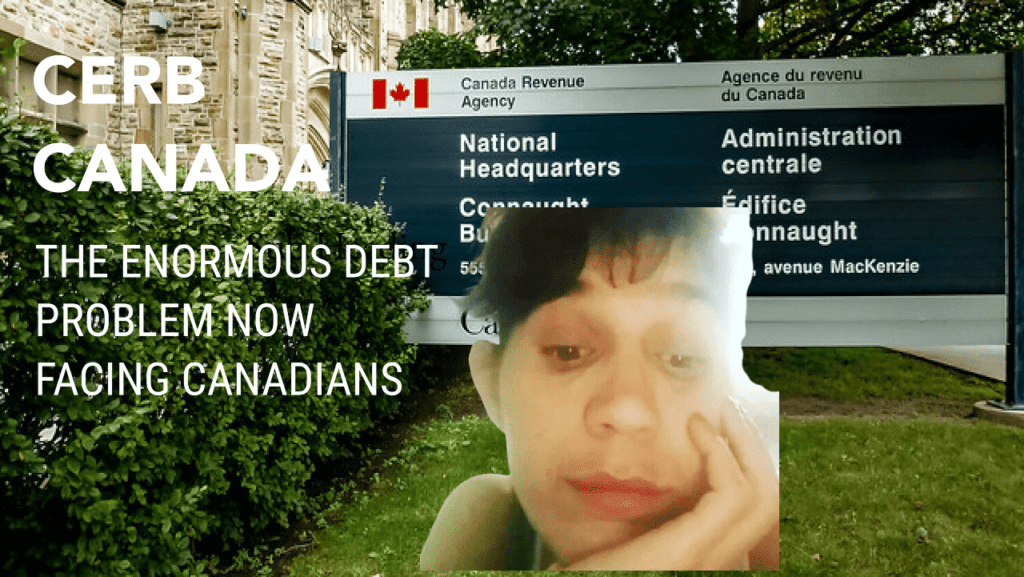
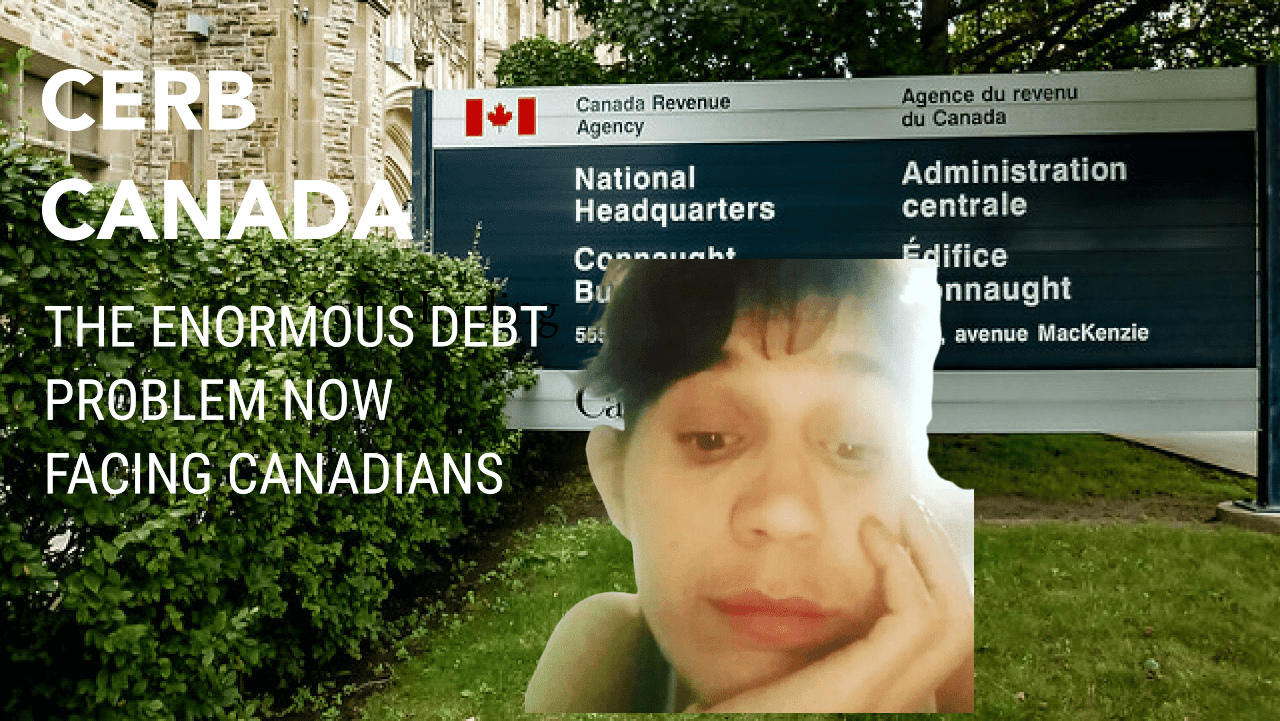
CERB CANADA: THE ENORMOUS DEBT PROBLEM NOW FACING CANADIANS

The Canada Emergency Response Benefit (CERB Canada) has been closed but is not over

The government is ramping up its efforts to verify CERB Canada eligibility for payments made under the Canada pandemic support program. Many Canadians have been told to return some or all of the funds received in the past. The Canada Revenue Agency (CRA) and Employment and Social Development Canada are working together to ensure that those who received COVID-19 pandemic individual benefits were eligible for them. CRA also announced that they are sending out Notices of Redetermination to Canadians who were ineligible for some or all of the CERB Canada benefits they received.

The CERB Canada benefit was rolled out quickly and there was a lot of confusion about who was eligible for it. It was created to help those in Canada who the COVID-19 pandemic directly impacted. The program provided financial assistance to employees and self-employed workers. The benefit was worth a maximum of $2,000 every 4-week period for up to four months.

The issue that troubles me is that the benefit was mostly paid to people who otherwise would not have been able to afford rent or food. The CERB Canada benefit money was spent immediately and a long time ago. So if CRA and Service Canada have now determined that some people should not have gotten that benefit, what are those people supposed to do if CRA demands the money back?

In this Brandon’s Blog, I discuss what the options may be for people who receive a demand for repayment of the CERB Canada benefit.

Who was eligible for CERB Canada?

To qualify for the CERB payment from the government support program, you must have met certain conditions during the period you applied. The Government of Canada stipulated the following eligibility criteria:

  • You did not look for or receive, CERB Canada or Employment Insurance benefits from Service Canada for the same qualification period.
  • You did not stop your work willingly on your own. You were forced to stop your work by someone else.
  • You are a Canadian resident who is at least 15 years old.
  • You must have earned at least $5,000 (before taxes) in the preceding 12 months, or in 2019, from one or more of the following:
    • job income
    • self-employment income earnings
    • benefits relating to pregnancy or parental leave from the province

The program was designed to help Canadian employees and self-employed Canadians who lost their jobs or saw a significant decrease in income due to the COVID-19 pandemic and the COVID-19 lockdown order resulting in business shutdowns. The program came to an end on December 2, 2020.cerb canada

Sending your CERB Canada payment back

If you have received a letter from Service Canada asking you to repay an overpayment, the CRA says you need to follow the instructions on the letter to return the payment.

You will have the opportunity to provide more evidence to support your claim that you were entitled to the CRA’s full CERB benefit payment. Based on your responses, you may need to repay the full amount you received.

If you received any CERB Canada payments and they now say you didn’t fit into the group of eligible workers, you have the option to pay back what you owe in full right now or over time. They expect you to repay it in full either way.

Now consider this. The federal government paid nearly $12 million in CERB Canada payments to more than 1,600 people with foreign addresses during the first seven months of the pandemic! How did that happen if one of the criteria of this program was you had to be a resident of Canada?

The way the CERB Canada benefit is taxed is by taking it out of your paycheque – wasn’t that enough?

The CERB Canada benefit was not a grant or any other kind of freebie. Anyone who received it had to include it in their taxable income. That is fair because the benefit was meant to replace lost income.

In April 2020, Prime Minister Trudeau announced that the Government of Canada would be taking extensive and decisive action to support Canadians and businesses who were struggling due to the COVID-19 global pandemic through an expansion of this program.

The Prime Minister went on to say that no Canadian should have to choose between protecting their health, putting food on the table, paying for their medication or caring for a family member. He said this is why the government introduced the CERB Canada Benefit, a taxable benefit.

There have even been CRA, Employment and Social Development Canada and court decisions confirming that the CERB Canada payments are taxable and that it was definitely not a free ride. The demand for repayment of benefits from Canadians who CRA and Service Canada now feel were not eligible workers seems totally anti-social. The program was rolled out hastily and under unclear, confusing circumstances, and Canadians have been paying income tax on the benefits they received. Surely our federal government has better places to spend its time clawing back wasteful spending.cerb canada

Mom was shocked when her maternity leave benefits were cut in half due to the CERB Canada benefit

A mother was shocked to see that her most recent parental benefits instalment had been cut in half. She said that maternity and parental benefits are paid to parents so they can take time off from paid work to do another kind of work: care work.

She was receiving half of her parental leave benefits for three weeks, which were already about half of her regular earnings. The reason for the reduction was because it was determined that the CERB Canada benefit she received for every four-week period, increased her income to the point where the reduction was warranted.

Then she received a demand for repayment. She hadn’t expected to have to repay the benefit. Shortly after the COVID-19 outbreak hit in March 2020, she was let go from her work because there wasn’t enough work to go around. She thought she qualified under the eligibility requirements for the CERB Canada benefit.

She couldn’t repay the full amount in one shot so she tried to arrange a repayment plan with CRA. She said that she had to fax about a dozen documents and field several questions from federal government employees to prove she is experiencing “financial hardship” in order to qualify for a payment plan. I don’t understand why payment plans have to be approved rather than just being automatically set up. These are not rich people that they are demanding repayment from, so why make them jump through hoops?

The British Columbia court has ruled that the CERB Canada payment must be deducted from the damage award for wrongful dismissal

Here is another example that the CERB Canada benefit is not a tax-free payment or a non-taxable grant. In Reotech Construction Ltd. v Snider, 2022 BCSC 317 the trial judge awarded the employee damages for a 4.5-month reasonable notice period and declined to deduct his CERB Canada payments.

After reviewing the case, the Supreme Court of British Columbia decided that the original trial judge was incorrect in choosing not to reduce the damage award by the $9,000 in benefits received. The court decided that these payments should be deducted from the award.

There was no indication that the employee would have to repay the CERB Canada benefit to the government. If the CERB payments are not deducted, then the employee would be in a better position than if there had been no breach of the employment contract. The employee would not have received the benefit if he had not been dismissed, making the benefit an indemnity for the wage loss caused by the dismissal.cerb canada

How to repay the CERB Canada benefit

If you received the CERB Canada and now find out that you did not meet the eligibility requirements, as shown above, you must repay the money. There are a few different ways that you can repay the amount demanded.

The easiest way to repay the CERB Canada amount is through your online service CRA My Account. You can log into your account and select “Repay CERB” under the “My Account” tab. If you do not have a CRA online account, you can repay the amount you owe either by sending a cheque through Canada Post to the CRA mailing address you can find online. You can also pay it at your financial institution using the government-issued remittance form.

But what if you are just one of the many hard-working Canadian workers living paycheque to paycheque? What if you do not have the money to repay what they say you owe, either all at once or by taking an amount out of each of your future paycheques that CRA will agree to?

What if you cannot repay because the government stepped up its efforts to verify CERB Canada payments and made demands on you?

As stated above, if you cannot afford to repay the full amount being demanded of you all at once, you can hopefully convince CRA that you deserve a payment plan over time due to “financial hardship”. This assumes that the government is right that you were not originally entitled to the amount that you received for the CERB Canada benefit. But what if you cannot afford to repay it at all, no matter what sort of payment plan you can enter into?

The outcome will depend on if you are insolvent. Being insolvent doesn’t necessarily mean bankruptcy. Insolvency (aka financial failure) is a financial condition that occurs when a person or company doesn’t have enough assets to pay off all debts if they were to be liquidated. It also means that the person or company has stopped paying their bills on time in the normal course.

If the person is NOT insolvent, they are expected to sell assets or use cash on hand to pay their bills.

If you’re insolvent, you can take advantage of Canadian insolvency legislation, the Bankruptcy and Insolvency Act (Canada) (BIA). The debt to repay the CERB Canada benefit is an ordinary unsecured claim that will be eliminated through a successful financial restructuring under either a consumer proposal or a Division I proposal. As a last resort, you could also file for bankruptcy.

I would rather refer you back to some of my earlier Brandon’s Blogs that go over the requirements for each insolvency option, rather than go through all of them individually here. They are:

  1. Consumer proposal –CONSUMER PROPOSAL TORONTO: THE COMPLETE #1 WAY TO ELIMINATE DEBT IN ONTARIO
  2. Division I Proposal –THE EASIEST WAY TO ACTUALLY LIKE WHAT IS A DIVISION i PROPOSAL ONTARIO
  3. Personal bankruptcy – BEYOND BANKRUPTCY SERVICES: OUR BEST PERSONAL INSOLVENCY FAQ 2 JUMPSTART YOUR FINANCIAL LIFE

CERB Canada: Canadian workers now under fire

In summary, CRA now says it’s “time to pay up” for Canadians who were paid the CERB Canada benefit during the pandemic. Although CRA has a right to claw back the amount if it is correct that the person was not eligible, what CRA’s insistence means for many Canadian workers is they now have to choose between paying back their CERB or paying for food, rent or medicine.

This is so ironic because the benefit payments were designed to help those people in making those payments when their incomes dried up. The amounts were taxed so the government earned income that way. Now they are causing unneeded stress and worry to the people they aimed to help.

I hope this Brandon’s Blog was helpful to you in understanding more about this problem now facing many Canadians. If you or your company has too heavy a debt load, we understand how you feel. You’re stressed out and anxious because you can’t fix your or your company’s financial situation on your own. But don’t worry. As a government-licensed insolvency professional firm, we can help you get your personal or corporate finances back on track.

If you’re struggling with money problems, call the Ira Smith Team today. We’ll work with you to develop a personalized plan to get you back on track and stress-free, all while avoiding the bankruptcy process if at all possible.

Call us today and get back on the path to a healthy stress-free life.cerb canada

Categories
Brandon Blog Post

TO CALCULATE HST IS EASY: PAYING IT AND SOLVING OTHER GIGANTIC COVID-19 BUSINESS DEBT PROBLEMS ARE NOT

calculate hst
calculate hst

We hope that you and your family are safe, healthy and secure during this COVID-19 pandemic. Ira Smith Trustee & Receiver Inc. is absolutely operational and Ira, in addition to Brandon Smith, is readily available for a telephone consultation or video meeting.

If you would prefer to listen to the audio version of this Brandon Blog, please scroll to the very bottom of the page and click play on the podcast.

Calculate HST and Canadian small business

I read two business reports this week, one from the Canadian Federation of Independent Businesses (CFIB) and one from the Canada Revenue Agency (CRA). They both contain troubling information. The combined effect is bad news.

CRA reports that businesses owe $14.3-billion in unpaid sales tax. CFIB estimates that small businesses in Canada owe a collective $139 billion in debt due to the COVID-19 pandemic as of August 2021.

Almost three-quarters of small businesses that took on debt expect it to take more than a year to repay. For businesses in the hospitality sector, the number jumps to 87 percent, with most saying it will take longer than two years to pay it off. Nearly a quarter worried about ever being able to pay off their debts.

These two reports clearly illustrate that one of the debts Canadian business owners have amassed is collected but unremitted Harmonized Sales Tax (HST). This Brandon Blog will not only describe how to calculate HST but also explain what will happen if you do not pay it over to CRA.

Calculate HST Amounts in Sales and Purchase Documents

You must register for GST/HST if you bill more than $30,000 per year. You do not need to register if you don’t exceed this amount. The HST calculation varies according to the province or territory you operate in. Several provinces have harmonized their provincial sales tax with the Goods and Services Tax (GST) and charge HST on taxable goods and services. GST and provincial sales tax have to be charged in provinces with PST; GST is calculated on the price of each taxable sale of goods or services before PST is added.

HST is calculated on the revenue from each taxable sale that is collectible or collected. The HST on each taxable supply produces an input tax credit that can then be deducted from the HST owing. HST on taxable sales less input tax credits from taxable supplies is the net amount of HST due or refund for the period. Your HST return may need to be filed annually, quarterly, or monthly, depending on how large your business is as measured by total sales and therefore sales taxes also.

CRA has created an HST calculator to help you calculate HST.

calculate hst
calculate hst

Calculate HST is just one part of small business debt and the COVID-19 impact

In their August 2021 research study, the CFIB uncovered a variety of issues that show the Canadian small business sector is struggling. They found:

  1. It is estimated that 71% of Canadian small business owners have taken on new debt loads to deal with the effects of the COVID-19 pandemic.
  2. CFIB estimates that total Canadian small business debt loads related to the coronavirus is around $139 billion, and 76% of businesses that took on debt said it would take them more than one year to repay it.
  3. Governments should continue business relief measures as government support is winding down since Canadian small businesses are carrying such a burden and are having difficulty regaining their footing. Rent assistance is one such support program.
  4. Only 39% of small businesses in Canada are currently making sales they consider to be normal for this time of year, despite recent improvements. Most continue to experience declines in revenue.
  5. About 17% of small businesses in Canada have sales that are half or less of what they should be.
  6. Four in five businesses are using one or more sources of funding to cope with COVID-19.
  7. In the arts, recreation & information, and hospitality sectors, 9 of 10 businesses are using some federal, provincial, or other funding to cope with COVID-19.
  8. In three out of five cases, government relief programs replace less than 30 percent of the COVID-19 shortfall.
  9. Scaling back federal relief programs comes too quickly for most business owners.
  10. According to half of the entrepreneurs, repaying their debt is the biggest challenge their business faces on the road to recovery.

Now for the CRA news release that has to do not only with how to calculate HST, but who is and is not paying their HST.

How to calculate HST is only the first part: Businesses owe $14.3-billion in unpaid sales tax, Canada Revenue Agency says

The number of companies falling behind on federal sales tax remittance indicates financial distress, as companies battle the pandemic and supply chain issues. In March 2020, when pandemic restrictions began, the nation owed $11.5 billion in GST and HST to the government. By September 2021, it owed $14.3 billion, an increase of 24 percent over that amount.

As of 2020-21, the CRA has received about 500,000 fewer sales tax returns than the year prior. There were approximately 105,000 fewer sales tax filers, the agency reports. Despite the fact that so many businesses are still operating at some level, they are not even bothering to file their tax returns.

Most businesses file their HST returns on either a once-a-year reporting period or on a quarterly reporting period. Some larger companies report and remit monthly. Quarterly remitters with annual taxable income between $1.5 million and $6 million showed the largest drop in returns by reporting period.

Therefore, it is clear that Canadian businesses are using the tax amounts collected as another source of financing since the pandemic hit. There is no mention of HST in the CFIB study. HST collected but not remitted was not even considered as a source of financing, which it is.

calculate hst
calculate hst

Calculate HST but if you don’t pay, it is a deemed trust

Regardless of the business legal structure, the GST/HST amounts you collect from your customers are considered a deemed trust in favour of the federal government. In an operating business, it takes precedence over whatever debts you owe to other creditors, including secured creditors. The CRA can still get payment from your bank even if the bank does not lend money to you. They can go to the bank where you keep your business funds and get payment there. All that is explained in my blog post about Canada v. Toronto-Dominion Bank.

However, the CRA has the following options:

  • garnish bank accounts, accounts receivable, and all other sources of income;
  • confiscate and sell assets; and
  • pursue other legal remedies.

In my experience, CRA does not typically seize and sell assets. Instead, they pursue garnishments. As in the TD Bank case, they can also just go to whichever of the financial institutions the business banks with and demand the HST funds that have been deposited. When a company owns real property, they may get a judgment from a federal court without notifying the owner, and register that judgment against the title to the real property. Upon refinancing or selling the property, the business owner is required to repay the judgment, plus interest.

Calculate HST: Are HST and COVID debt crushing the life out of your business?

In an environment hamstrung by manufacturing and shipping backlogs, businesses may experience supply shortages and higher delivery costs. Even though paying your bills may be the most emotionally satisfying course of action, it may not be the most practical.

It’s better for your business and your employees if you seek professional advice if you believe that you cannot make next month’s payroll. The following issues cannot be ignored: lenders demanding loan repayment, landlords threatening to end your lease or seize your assets as payment, suppliers cutting off credit or halting deliveries.

The first thing I do as a licensed insolvency trustee is to determine what stage of the business the company is at. The stage the business is at is crucial for me to understand. The choices are:

  1. Solvent and viable.
  2. Solvent but not viable.
  3. Insolvent and viable.
  4. Insolvent and not viable.

The business can probably restructure with some simple changes to its operations if it is solvent and viable. Insolvent companies that are still viable may be restructured under the provisions of the Bankruptcy and Insolvency Act or the Companies’ Creditors Arrangement Act.

The business can be liquidated or sold if it is not viable, but it is solvent. If it is insolvent and not viable, we are probably looking at bankruptcy or receivership.

A deep dive is required to find out what the correct answer is. For sure I would need to calculate HST collected but unremitted, as that is a deemed trust claim, apart from one exception I describe below.

calculate hst
calculate hst

Calculate HST: What happens to the deemed trust claim in a bankruptcy?

The Excise Tax Act (ETA) defines GST/HST as a deemed trust claim. Under the ETA, a deemed trust claim will include amounts for GST/HST that was collected by the business but not paid to the CRA. There is only one exception. A bankruptcy of the business will rearrange the priorities. In a bankruptcy, the deemed trust GST/HST claim becomes an ordinary unsecured claim. There is no statutory authority for this same outcome in a BIA restructuring Proposal. However, sometimes, as an administrative issue, CRA will allow this treatment also.

According to one school of thought, unremitted amounts included in deposits or loan repayments to a financial institution before bankruptcy continue to be deemed trust claims. Nonetheless, the Supreme Court of Canada clarified GST/HST deemed trusts and secured creditors’ responsibilities for funds received.

The Callidus Capital Corporation v Her Majesty the Queen decision was reversed by the Supreme Court of Canada in 2018. For secured creditors, the decision that the deemed trust provisions of the ETA become inoperative on bankruptcy, and therefore secured creditors are not liable to account for proceeds received from a debtor pre-bankruptcy, is significant.

Calculate HST: GST/HST liability For directors

ETA section 323 increases the CRA‘s power to collect unremitted GST/HST when efforts to collect against corporations prove futile. As a result of the failure of the corporation to remit GST/HST, its directors will be liable for any tax the corporation should have remitted. The directors are jointly and severally liable for the corporation’s unremitted GST/HST.

CRA has the right to look to the directors whether the corporation is in bankruptcy or not. When we calculate HST and discover a company owes net HST, there is another downside to bankruptcy. CRA may now want to claim on the directors sooner because of the HST liability becoming unsecured.

calculate hst
calculate hst

Calculate HST summary

I hope you now see why I feel the combination of the CFIB survey results and the announcement from CRA spells upcoming trouble for Canadian businesses. I also hope you found this calculate HST Brandon Blog post informative. Are you worried because you or your business are dealing with substantial debt challenges and you assume bankruptcy is your only option? If it is too much debt for any reason, call me. It is not your fault that you remain in this way. You have actually been only shown the old ways to try to deal with financial issues. These old ways do not work anymore.

The Ira Smith Team utilizes new modern-day ways to get you out of your debt difficulties while avoiding bankruptcy. We can get you the relief you need and so deserve.

The tension put upon you is big. We know your discomfort factors. We will check out your entire situation and design a new approach that is as unique as you and your problems; financial and emotional. We will take the weight off of your shoulders and blow away the dark cloud hanging over you. We will design a debt settlement strategy for you. We know that we can help you now.

We understand that people and businesses facing financial issues need a realistic lifeline. There is no “one solution fits all” method with the Ira Smith Team. Even though we are licensed insolvency trustees, we have found that not everyone has to file bankruptcy in Canada. The majority of our clients never do. We help many people and companies stay clear of bankruptcy.

That is why we can establish a new restructuring procedure for paying down debt that will be built just for you. It will be as one-of-a-kind as the economic issues and discomfort you are encountering. If any one of these seems familiar to you and you are serious about getting the solution you need, contact the Ira Smith Trustee & Receiver Inc. group today.

Call us now for a no-cost consultation. We will get you or your business back up driving to healthy and balanced trouble-free operations and get rid of the discomfort factors in your life, Starting Over, Starting Now.

We hope that you and your family are safe, healthy and secure during this COVID-19 pandemic. Ira Smith Trustee & Receiver Inc. is absolutely operational and Ira, in addition to Brandon Smith, is readily available for a telephone consultation or video meeting.

Categories
Brandon Blog Post

WHAT IS THE POWERFUL CRA LIEN ON PROPERTY TOOL?

cra lien on property

We hope that you and your family are safe, healthy and secure during this COVID-19 pandemic.

Ira Smith Trustee & Receiver Inc. is absolutely operational and Ira, in addition to Brandon Smith, is readily available for a telephone consultation or video meeting.

If you would prefer to listen to the audio version of this CRA lien on property Brandon Blog, please scroll to the very bottom of this page and click play on the podcast.

CRA lien on property: Canada Revenue Agency’s collection powers

The CRA (formerly known as Revenue Canada) assigns “collection officers” to taxpayers who fail to make timely payments or who do not pay in full. For the CRA to agree to a payment arrangement (usually monthly payments), the taxpayer must provide financial disclosure on a monthly basis (details of their expenses, their income, and their assets).

Tax debts that cannot be settled through a payment plan may be registered in Federal Court. Once the debt is certified, the certificate is equivalent to a judgment entered in court. This is called a memorial. If you own property, the CRA can create a lien on your property based on your judgment. A CRA lien on property against your interest in your home is the most common CRA lien on property they register.

This Brandon Blog discusses a recent decision from the British Columbia Supreme Court that confirms that the CRA lien on property becomes secured once they are registered.

What is a Super Priority Lien?

A super priority lien is a powerful legal tool that gives the Canada Revenue Agency (CRA) first claim on a debtor’s assets when taxes aren’t paid. This type of lien takes priority over almost all other creditors, including banks and mortgage companies. The super priority lien applies specifically to unpaid source deductions (payroll taxes) and GST/HST taxes.

How Super Priority Liens Work

When a business fails to pay certain taxes, the CRA automatically gets a super priority lien on the company’s assets. This happens because of something called a “deemed trust” in Canadian tax law. Here’s what this means:

The government considers payroll taxes and GST/HST as money held in trust for them. Even if a business owner spends this money on other things, the law still treats it as government property. This creates the super priority lien without any paperwork or registration.

Key Features of Super Priority Liens

Automatic Creation: Unlike other liens, a super priority lien doesn’t need to be registered or filed. It exists automatically when taxes aren’t paid.

Higher Priority: The super priority lien beats almost all other claims on assets, including mortgages and other secured loans.

Specific Tax Types: This special lien only applies to source deductions (like income tax, CPP, and EI taken from employee paychecks) and GST/HST taxes.

Why Super Priority Liens Matter for Lenders

Commercial lenders face real risks from super priority liens. When a business owes these special taxes, the CRA’s claim comes before the lender’s mortgage or loan. This means:

  • Lenders might not get paid back if the business fails
  • The super priority lien can exceed the property’s value
  • Even after a mortgage is paid off, the lender could still be responsible for the borrower’s tax debt

Protecting Against Super Priority Lien Risks

Smart lenders use several strategies to protect themselves:

Thorough Due Diligence: Check if the borrower owes source deductions or GST/HST before lending money.

Legal Review: Have a qualified tax lawyer review the loan documents and borrower’s tax situation.

Title Insurance: Buy title insurance with special endorsements that cover super priority lien risks.

Extended Coverage: Some insurance companies offer protection that continues even after the mortgage is paid off.

Limited Exceptions to Super Priority Liens

While super priority liens are very powerful, some exceptions exist. Certain types of security interests may have priority in specific situations. However, these exceptions are rare and very narrow. Most creditors, including mortgage lenders, will find their claims come after the CRA’s super priority lien.

The Bottom Line on Super Priority Liens

Super priority liens represent one of the strongest collection tools available to the Canadian government. For businesses, this means payroll taxes and GST/HST must be paid on time. For lenders, it means careful planning and proper insurance are essential to avoid significant losses.

Understanding how super priority liens work helps both borrowers and lenders make better financial decisions and avoid costly surprises, as we will see immediately below.

CRA lien on property: CRA Super Priority Liens

I previously wrote a Brandon Blog about the legal case of Canada v. Toronto-Dominion Bank. By mentioning this case, I hope that my comments about the recent British Columbia Court decision below will be clearer.

Federal statutes give CRA a creditor powerful tools to collect debts. They can access avenues of collection significantly quicker than other types of creditors. It was not known to Toronto-Dominion Bank (TD) that, as a sole proprietor operating a landscaping business, the borrower had collected GST in the amount of $67,854.

After selling his home, the borrower fully paid off his first mortgage with TD. TD did not lend to or deal with the proprietor’s business. Since there was no CRA lien on property against the house, TD was not aware of the outstanding GST.

The CRA has enhanced security, known as “super-priority”, over most of a tax debtor‘s real property and personal assets, by virtue of deemed trust provisions in the Income Tax Act and Excise Tax Act (ETA). CRA has priority over substantially all secured creditors under the deemed trust concept, which means that the proceeds of the sale from the property subject to the deemed trust will go to CRA. A deemed trust claim is a CRA lien on property and is obtained without any registration.

A demand letter was subsequently sent to TD demanding that a portion of the proceeds be used to satisfy the GST debt. TD refused to pay since they believed their mortgage security ranked higher than CRA’s claim for unremitted GST. Court action was taken against TD by the CRA. The Crown argued that under section 222 of the ETA, the proceeds received by TD on the repayment of the mortgage and line of credit were subject to a deemed trust in favour of the Crown.

The Federal Court held that TD had an obligation to reimburse the CRA for the debt of $67,544, plus interest, owing by the Borrower to the CRA. Super-priority interests can be enforced by the CRA without notifying the secured creditor. TD was responsible for repaying CRA amounts received from a borrower with an outstanding GST/HST bill.

cra lien on property

FCA confirms CRA super-priority over secured creditors on a GST/HST debtors’ property

TD appealed the decision of the Federal Court to the Federal Court of Appeal (FCA). According to the FCA ruling in Toronto-Dominion Bank v Canada, the FCA agreed with the lower Court that TD must pay the CRA proceeds of $67,854 for unremitted GST that it received from a borrower upon the discharge of its mortgage. CRA is considered to hold in trust amounts paid to a secured creditor from a debtor who owes Goods and Services Tax/Harmonized Sales Tax (GST/HST) liabilities.

FCA affirmed the Federal Court’s finding that no triggering event was required and that the deemed trust operates continuously once GST is collected but not remitted. Further, the FCA noted that case law has distinguished between secured creditors and bona fide purchasers of value, such that the two categories are mutually exclusive.

It is best for secured creditors to review their current risk management practices and revise them both at the time of due diligence when vetting new borrowers as well as throughout the term of any secured credit agreement.

If we were talking about unremitted employee source deductions, the result would be the same.

CRA lien on property: Personal income tax debt collection

CRA is a powerful creditor when it comes to personal income tax debt collection. Above I discussed how they can get a CRA lien on property just by way of the statute for unremitted source deductions or unremitted GST/HST. But what about personal income taxes? CRA does not have an automatic lien for unpaid income taxes.

However, they can go to Federal Court and obtain a memorial and then register that CRA lien on property of the tax debtor who fell behind in their payment of taxes. Once they place that lien, they now turned their unsecured claim for unpaid taxes into a secured claim. As I already mentioned, the most common type of property they register against is real property, like the tax debtor‘s home.

If the CRA lien on property goes on the real property before the person who owes unpaid income taxes files either a consumer proposal or bankruptcy, then the CRA lien on property stays on. CRA will not try to go power of sale or foreclosure to throw the taxpayer out of their home based on this tax lien. Rather, they will just wait until the taxpayer either sells the home or tries to renew or refinance a mortgage.

In the case of a sale, they will get their tax lien paid out of the sale proceeds. In the case of a mortgage renewal or refinancing, mortgage lenders will not do a new mortgage loan or a refinancing with the CRA lien on property. This is how they get their money.

Keep in mind that the lien is only against the taxpayer’s interest in the home. So if the tax debtor is the sole owner, it is against 100% of the home. If the taxpayer owns the home jointly with say, a spouse, then the lien is only against the 50% interest.

cra lien on property

CRA lien on property: Can Canada Revenue Agency put a lien on my house?

You should now know that the answer to this question is yes. Licensed insolvency trustees know this. Nevertheless, in the British Columbia case I will describe now, the Trustee tried a novel, but an unsuccessful, approach to try to knock out CRA’s lien on property secured claim to collect taxes owed by the tax debtor. I am referring to Gidda (Re), 2021 BCSC 1460 (CanLII).

The licensed insolvency trustee appealed the decision of the Master as Bankruptcy Registrar dated February 3, 2020, reversing the Trustee’s rejection of a secured proof of claim filed by the federal Crown on behalf of the CRA in the bankruptcy. As well, the Trustee appealed the Master’s ruling that he is personally liable for the costs of the proceeding.

The CRA has taken out a memorial to attach a lien in favour of CRA to the taxpayer’s home due to unpaid income taxes. Then he filed for bankruptcy. So the lien against property holds as it came before the bankruptcy. A secured proof of claim for unpaid income tax was filed by the CRA in response to the memorial and registered tax lien. A secured claim was granted to CRA, which was not directly contested by the Trustee.

In my opinion, this claim, however, was handled by the Trustee in a novel way that wasn’t sustainable. It was so novel that the Judge took judicial notice of the submissions that such a case was never litigated before in Canada. There were also a number of judgments against the title of the property in addition to the memorial. There was no priority among the other judgments.

According to section 70(1) of the Bankruptcy and Insolvency Act (Canada) (BIA), bankruptcy takes precedence over judgments, garnishments, and any collection action. Furthermore, no judgment takes precedence over another.

A memorial is a judgment of the Federal Court, and since all judgments are treated equally as unsecured creditors, the Trustee disallowed CRA’s secured claim. Because the memorial and its registration against the title are secured claims under other federal statutes, it has powers not given to other simple money judgments. Therefore, I believe it is a losing argument. So did the Master.

In addition, the Master believed that the Trustee ought to have been aware of this when disallowing CRA’s secured claim and causing it to appeal the Trustee’s decision. Therefore, the Master awarded the Crown costs to be paid by the Trustee personally.

On both counts, the Trustee appealed the Master’s decision. The Judge who reviewed this found that the Master was correct in upholding the CRA secured claim and dismissed this portion of the Trustee’s appeal. The Judge did, however, let the Trustee off the hook by allowing the costs portion of the appeal. According to the Judge, the costs awarded by the Master will be paid by the bankruptcy estate and not by the Trustee personally.

CRA lien on property: Say goodbye to debt stress

I hope that you found this CRA lien on property Brandon Blog informative. Unpaid taxes and a heavy debt load do not mix well. If you have too much debt, you are considered insolvent. There are several insolvency processes available to you. It may not be necessary for you to file for bankruptcy.

If you are concerned because you or your business are dealing with substantial debt challenges, you need debt help and you assume bankruptcy is your only option, call me.

It is not your fault that you remain in this way. You have actually been only shown the old ways to try to deal with financial issues. These old ways do not work anymore.

The Ira Smith Team utilizes new modern-day ways to get you out of your debt difficulties with debt relief options as an alternative to bankruptcy. We can get you the relief you need and so deserve. Our professional advice will create for you a personalized debt-free plan for you or your company during our no-cost initial consultation.

The tension put upon you is big. We know your discomfort factors. We will check out your entire situation and design a new approach that is as unique as you and your problems; financial and emotional. We will take the weight off of your shoulders and blow away the dark cloud hanging over you. We will design a debt settlement strategy for you. We know that we can help you now.

We understand that people with credit cards maxed out and businesses facing financial issues need a realistic lifeline. There is no “one solution fits all” method with the Ira Smith Team. Not everyone has to file bankruptcy in Canada. The majority of our clients never do as we know the alternatives to bankruptcy. We help many people and companies stay clear of filing an assignment in bankruptcy.

That is why we can establish a new restructuring procedure for paying down debt that will be built just for you. It will be as one-of-a-kind as the economic issues and discomfort you are encountering. If any one of these seems familiar to you and you are serious about getting the solution you need to become debt-free, contact the Ira Smith Trustee & Receiver Inc. group today.

Call us now for a no-cost consultation.

We hope that you and your family are safe, healthy and secure during this COVID-19 pandemic.

Ira Smith Trustee & Receiver Inc. is absolutely operational and Ira, in addition to Brandon Smith, is readily available for a telephone consultation or video meeting.

cra lien on property

Categories
Brandon Blog Post

RRSP BENEFICIARY: OUR REMARKABLE PLAN ON HOW THE INCOME TAX BILL ON DEATH FROM AN RRSP CAN BE REDUCED

rrsp beneficiary
rrsp beneficiary

We hope that you and your family are safe, healthy and secure during this coronavirus pandemic.

Ira Smith Trustee & Receiver Inc. and Smith Estate Trustee Ontario are absolutely operational and Ira, in addition to Brandon Smith, is readily available for a telephone consultation or video meeting.

If you would prefer to listen to the audio version of this Brandon Blog, please scroll to the very bottom and click play on the podcast.

RRSP beneficiary: Death of an RRSP annuitant

As I have written before, in addition to insolvency work, we also act as an independent Estate Trustee through our business Smith Estate Trustee Ontario. In our work as Estate Trustee of a deceased estate, we have come across an interesting topic when it comes to the will of the deceased and the inheritance of an RRSP beneficiary.

Understanding the tax implications of a beneficiary entitled to an RRSP inheritance can save or cost you thousands of dollars depending on how the RRSP is administered. The Canada Revenue Agency (CRA) has specific rules regarding what happens to an RRSP when its owner dies. Did you know that there are a number of tax implications that come with inheriting RRSPs? This is especially true when you are inheriting from distant relatives like grandparents, aunts, uncles, or cousins. As an assignee of a Registered Retirement Savings Plan (RRSP), you are entitled to all of the funds in the plan, but it is possible that the account balance could be taxable.

In this Brandon Blog, I discuss the income tax ramifications on an RRSP beneficiary. By definition, since it is an RRSP available to be inherited, rather than a Registered Retirement Income Fund (RRIF) or an annuity, I am talking about:

  • someone who died before turning 72 years old; and
  • never had the opportunity to enjoy retirement.

I remind you that I am not an income tax practitioner, but rather, I am a licensed insolvency trustee. So this Brandon Blog is not meant as income tax advice and should not replace the advice of your qualified income tax advisor.

RRSP beneficiary designation: Designating your estate or other beneficiaries

Setting up an RRSP is a great way to save for retirement. You contributed to your plan each year and got a tax break from the government. This is a fantastic deal, so many people take advantage of it. If you only name the heir or heiress in your will, that should be sufficient. However, a will can be challenged. If you don’t name one at all for your plan, or if you are not a special type of grantee, there can be some serious tax implications.

The inheritor you name for your RRSP during your lifetime is the person who will receive the asset after your death. You can appoint a recipient directly in your RRSP plan document much in the way that you name one for your life insurance policy. I recommend that you do this. Do not just name your estate and then maybe name the real RRSP beneficiary in your will.

The CRA has adopted a special policy regarding the tax treatment of RRSPs. This policy is referred to as the deemed disposition rule. The deemed disposition rule applies to RRSPs. When the holder of an unmatured RRSP passes away, CRA deems that the RRSP was disposed of and the funds received, right before their death.

The calculation of the funds received is an amount equal to the reasonable market price of all the property kept in the RRSP at the time of death. This amount and any other balances the deceased got from the RRSP in the year of death need to be reported on the deceased’s year of death income tax return.

rrsp beneficiary
rrsp beneficiary

RRSP beneficiary tax implications: How can the income tax bill on death be reduced?

Understanding the tax implications of an RRSP beneficiary entitled to an RRSP inheritance can save or cost you thousands of dollars depending on how the RRSP is administered. The CRA has specific rules regarding what happens to an RRSP when its owner dies.

When a person passes away and leaves an RRSP, their estate has to pay the income tax liability on the RRSP when it’s paid to the RRSP beneficiary. However, you should first ask who is a qualified beneficiary? Eligible individuals who can qualify for such beneficiary designations are a spouse, a common-law partner, or a financially dependent (infirm) child or grandchild, they can utilize the “qualified beneficiary” RRSP exemption to reduce or remove the tax obligation. If there is no qualified beneficiary, the Estate Trustee will have to pay income tax calculated based on the entire amount of the RRSP.

So the challenges for beneficiaries, in general, are twofold: 1. Are you a qualified beneficiary? 2. Can a qualified beneficiary reduce their income tax bill?

If you inherit an RRSP, is that someone will face a tax bill from CRA on the deemed disposition on death. The RRSP value will be taxed as income. Now, there are some situations in which you can reduce or eliminate the taxes. If the RRSP beneficiary is a qualified beneficiary, then the value of the RRSP can be taxed in the hands of the RRSP beneficiary, not the deceased’s estate.

RRSP beneficiary tax: Reduce the tax by rolling over

This first step of the rollover procedure is described as a “refund of premiums”. The second step is the tax-deferral portion. Where a qualified beneficiary adds the number of assets from the deceased’s RRSP in the year received (or within the first 60 days of the next year), the qualified beneficiary can declare a tax deduction under section 60(l) of the Income Tax Act (Canada) to eliminate the RRSP amount added to their income. This manoeuvre does not require the RRSP beneficiary to have sufficient RRSP contribution room. The result? This heir or heiress becomes a successor annuitant and gets a tax-deferred rollover.

To eliminate the tax on receipt of the RRSP funds, the RRSP assets are directly moved to the qualified beneficiary‘s RRSP. At tax time, the qualified beneficiary gets a T4RSP tax slip. The qualified RRSP beneficiary then includes the date-of-death RRSP amount in their taxable income but offsets it with a section 60(l) tax reduction.

The above rollover is typically seen when a qualified beneficiary is marked as the RRSP recipient. When this happens, the RRSP proceeds generally bypass the deceased’s estate, lowering probate fees (where applicable) and side-stepping the estate creditors as well as the need for complicated estate settlements.

rrsp beneficiary
rrsp beneficiary

CRA RRSP beneficiary rules: Who pays tax on inherited RRSP if the beneficiary is not a spouse, common-law partner or financially dependent children or grandchild – but is the Estate?

One of the most common errors made when determining the recipient for the RRSP is to assign the estate itself. This requires the RRSP asset to go through probate. The estate receives the tax-deferred growth that has actually been earned by the RRSP up to the date of death. However, it would additionally mean that the estate would be responsible for shouldering the tax burden on the distribution of the RRSP. This is not necessarily wrong, but from an estate planning perspective, it is the most expensive route to choose. Estate planners certainly would not choose this way unless for some reason there was no other choice.

The RRSP beneficiary problem we are dealing with or how to destroy an inheritance

The issue we are dealing with on a particular deceased estate file blends insolvency work with the work of an Estate Trustee. The deceased did not file income tax returns for the last few years of her life. We now have a pretty good handle on her income taxes and what her liability is for the years of unfiled tax returns, as well as the tax liability that will arise from the Estate trust tax return.

Based on what I have already told you about the taxation possibilities for an RRSP beneficiary, and what I am about to tell you, there is a huge problem for an RRSP beneficiary.

For confidentiality reasons, I cannot provide names and amounts, but I will explain the problem. The deceased maintained a self-directed RRSP contract through Royal Bank of Canada at Royal Bank Dominion Securities. The named beneficiary in the Registered Retirement Savings Plan document was a relative. This relative does not meet the definition of a qualified beneficiary.

So in the normal course, the Estate Trustee would work with the RRSP beneficiary to understand if there was going to be no taxable income inclusion because an RRSP rollover was taking place. If not, the estate should pay the tax, but the beneficiary obtains 100% of the value of the RRSP.

Another option is that the Estate Trustee would get the tax payable on the registered retirement income from the RRSP beneficiary and pay the income tax. The beneficiary would be left with the net amount and the tax would be paid. So everyone is square.

Which option is picked depends on if there are more assets and more beneficiaries or not.

In the situation I am acting in, the Estate is insolvent. There will not be enough money in the Estate to pay all the income tax owing, regardless of the source of the taxable income. The RRSP beneficiary also as I understand it, did not elect an RRSP rollover.

So now, in this case, where the Estate has insufficient funds to pay the taxes payable in full and the RRSP beneficiary:

  • is not a qualified beneficiary; and
  • did not do an RRSP rollover

the RRSP beneficiary will be liable for the income tax payable from the RRSP plan assets received. The real problem is that the year death, and therefore the year the RRSP beneficiary received their inheritance was 2018. We were appointed late in 2019 and we just now have been able to quantify the income tax payable.

So it will be 2021 or later that CRA may go to the RRSP beneficiary with their hand out. I don’t know if the RRSP beneficiary invested it all, spent it all, or a combination of the two. This my readers is how to destroy an inheritance.

RRSP beneficiary summary

I hope you enjoyed the RRSP beneficiary Brandon Blog post. If you are concerned because you or your business are dealing with substantial debt challenges and you assume bankruptcy is your only option, call me. It is not your fault that you remain in this way. You have actually been only shown the old ways to try to deal with financial issues. These old ways do not work anymore.

The Ira Smith Team utilizes new modern-day ways to get you out of your debt difficulties while avoiding bankruptcy. We can get you the relief you need and so deserve.

The tension put upon you is big. We know your discomfort factors. We will check out your entire situation and design a new approach that is as unique as you and your problems; financial and emotional. We will take the weight off of your shoulders and blow away the dark cloud hanging over you. We will design a debt settlement strategy for you. We know that we can help you now.

We understand that people and businesses facing financial issues need a realistic lifeline. There is no “one solution fits all” method with the Ira Smith Team. Not everyone has to file bankruptcy in Canada. The majority of our clients never do. We help many people and companies stay clear of bankruptcy.

That is why we can establish a new restructuring procedure for paying down debt that will be built just for you. It will be as one-of-a-kind as the economic issues and discomfort you are encountering. If any one of these seems familiar to you and you are serious about getting the solution you need, contact the Ira Smith Trustee & Receiver Inc. group today.

Call us now for a no-cost consultation.

We will get you or your business back up driving to healthy and balanced trouble-free operations and get rid of the discomfort factors in your life, Starting Over, Starting Now.

We hope that you and your family are safe, healthy and secure during this coronavirus pandemic.

Ira Smith Trustee & Receiver Inc. and Smith Estate Trustee Ontario are absolutely operational and Ira, in addition to Brandon Smith, is readily available for a telephone consultation or video meeting.


Categories
Brandon Blog Post

CERB REQUIREMENTS: ASTONISHING MIXUP UNDERSTANDING CERB REQUIREMENTS LEADS TO A BAD OUTCOME

cerb requirements
cerb requirements

We hope that you and your family are safe and healthy.

The Ira Smith Trustee Team is absolutely operational and Ira, in addition to Brandon Smith, is readily available for a telephone consultation or video meeting.

If you would like to listen to the audio version of this CERB requirements Brandon’s Blog, please scroll to the very bottom and click play on the podcast.

CERB requirements introduction

This year that is soon ending (YAY!!) has certainly been full of new learning experiences because of the COVID-19 pandemic. CERB requirements are just one of them. Since March, I have been writing about different financial issues relating to Canada’s COVID-19 Economic Response Plan, including the Canada Emergency Response Benefit (CERB). My two prior blogs on CERB were:

Even though the CERB program has ended, we now find that a new CERB requirements issue has just arisen concerning self-employed people. I will describe it for you.

A CERB requirements refresher

Just to refresh your memory, I think an overview of the Canadian CERB requirements will nicely set the stage.

To be eligible for the $2,000 CERB payment by applying to the Canada Revenue Agency (CRA), you have to have met particular CERB requirements for each of the CERB periods you were applying for. The Government of Canada specified the eligibility criteria to be:

  • You did not try to find or get, CERB or Employment Insurance from Service Canada for the specific CERB dates being applied for.
  • You did not stop your work voluntarily.
  • You reside in Canada and are at least 15 years of age.
  • You earned a minimum of $5,000 (before taxes) in the preceding 12 months, or in 2019, from 1 or more of:
    • work earnings
    • self-employment income
    • provincial benefit payments for maternity or parental leave
    • 1 of:
      • Your work hours have in fact been decreased as a result of COVID-19.
      • You have actually quit or will quit working because of COVID-19.
      • You are unable to work as a result of COVID-19, for example, due to the fact that you are caring for a person.
      • You have actually been paid EI benefits for at the very least one week of benefits after December 29, 2019, and finished your entitlement to such benefits.
  • One of:
    • If you are applying for the first time: You have actually quit or will stop working, or you are working decreased hours, as a result of the coronavirus. Additionally, you don’t expect to earn over $1,000 in gross employment or self-employment income for at least 14 days straight during the 4-week period.
    • If you are applying for a subsequent period: You are still not employed or self-employed, or you are doing lowered hours because of COVID-19. You do not anticipate making over $1,000 in gross employment or self-employment income, and you expect this to continue throughout the whole 4-week duration.

The Canadian CERB program is finished. The CRA accepted and paid retroactive applications until December 2, 2020. Now they are doing audits to see if people who received CERB did not actually qualify. This has uncovered a problem unique to self employed people.

The $5,000 CERB requirements problem

The $5,000 consists of all employment income and self-employment income. This includes among others: gratuities you have declared as earnings; non-eligible dividends; nominal amounts paid to emergency service volunteers; and royalties (e.g., paid to artists). If you are not eligible for Employment Insurance, you might additionally include pregnancy and parental benefits you obtained from the Employment Insurance program and/or comparable advantages paid in Quebec under the Quebec Parental Insurance Plan.

Pensions, student loans and bursaries are ruled out as employment income and must not be included.

So why is the $5,000 threshold of CERB requirements a problem for the self-employed?

Are CERB requirements gross?

The issue that has recently been uncovered for self-employed workers in the calculation of income. The employment and or self employment income does not need to be earned in Canada, but you need to reside in Canada. But the eligibility requirements, rules and eligibility criteria when it comes to self employed income have been misinterpreted.

Self employed Canadians have said that when they reviewed the government of Canada’s CERB website, they read that their business had to have earned (before taxes) a minimum of the $5,000 threshold. The devil is really in the details.

To “earn” $5,000, if you are deducting business expenses, which you should be, then your net income must be the minimum of $5,000 in order for you to earn $5,000. CRA and Service Canada spokespeople have now confirmed this.

Unfortunately, it appears that many self employed individuals misinterpreted this. They believed that if they billed gross income of a minimum of $5,000 (before taxes) in the preceding 12 months, or in 2019, then they met the cerb. They applied for CERB and received their payments totalling some $14,000. If they billed way more than $5,000 and after deducting expenses to earn that income their net income before tax is still above the $5,000 threshold, then there is no problem.

However, if they billed not much more than the $5,000 and after deducting expenses their net income is either minimal or has created a business loss, then they do have a problem because they will not have met the threshold of the CERB requirements.

So the CERB requirements are not gross. They are net.

cerb requirements
cerb requirements

What is CRA now saying?

CRA has now sent letters to many self employed people. It has been estimated in the media that CRA has identified to date some 200,000 self employed that CRA believes received CERB but did not meet the CERB requirements. The letters advise that, for self-employed Canadians, the qualifying earnings had to be “net pre-tax income,” which means gross income minus the expenses incurred to earn that gross income.

Self employed Canadians who misinterpreted the CERB requirements and requested and received CERB based upon their gross income made a mistake. They are being told by CRA that they will need to pay back up to $14,000 worth of benefits, according to many social media posts and news reports. Sounds simple, right?

It may sound simple, but, the misinterpretation of the CERB requirements has now caused many problems. The money was applied for because Canadians needed help with daily living expenses due to the economic effects of the COVID-19 pandemic. The money has been spent.

If the CERB money is not returned to the government before January 1, 2021, every self employed person in this conundrum will have to pay tax on the CERB amount received in 2020. Hopefully paying income tax on the CERB is not something these Canadians also did not overlook or misinterpret. Even if they pay the income tax when they file their 2020 income tax return, there is no guarantee that CRA will not still continue trying to collect the CERB payments.

There is a simple fix, but, will the Federal Government use it?

In my view, there is a simple fix for anyone who ran their own business as either a sole proprietor or partner and who received such a letter from CRA about their not having met the CERB requirements. It is a simple fix, but it will require what must be considered out of the box thinking for the government.

These people applied for CERB because they were hurting financially. They needed this help to buy food, pay rent, make mortgage payments. It wasn’t used for travel and fancy dinners. The last thing these people need is to repay the money they do not have anymore. So what is the simple fix? Let them keep the money and do not demand repayment. Let these people pay the income tax on that money.

If critics want to make sure that it does not look like these people took from the government in order to merely survive, then you could always deny them business expenses that would otherwise qualify up to the amount of CERB money they received. That way the government will collect additional income tax from them.

Given all the circumstances and the true reason for sending out the CERB money in the first place, it would be an awful ending for these people to be faced with being chased by CRA collection people for repayment.

CERB requirements summary

I hope you have enjoyed this CERB requirements Brandon’s Blog. Do you or your company have too much debt? Are you or your company in need of financial restructuring? The financial restructuring process is complex. The Ira Smith Team understands how to do a complex restructuring. However, more importantly, we understand the needs of the entrepreneur or the person who has too much personal debt.

You are worried because you are facing significant financial challenges. It is not your fault that you are in this situation. You have been only shown the old ways that do not work anymore. The Ira Smith Team uses new modern ways to get you out of your debt troubles while avoiding bankruptcy. We can get you debt relief freedom.

The stress placed upon you is huge. We understand your pain points. We look at your entire situation and devise a strategy that is as unique as you and your problems; financial and emotional. The way we take the load off of your shoulders and devise a debt settlement plan, we know that we can help you.

We know that people facing financial problems need a realistic lifeline. There is no “one solution fits all” approach with the Ira Smith Team.

That is why we can develop a restructuring process as unique as the financial problems and pain you are facing. If any of this sounds familiar to you and you are serious about finding a solution, contact the Ira Smith Trustee & Receiver Inc. team today.

Call us now for a free consultation.

We will get you or your company back on the road to healthy stress-free operations and recover from the pain points in your life, Starting Over, Starting Now.

We hope that you and your family are safe and healthy.

The Ira Smith Trustee Team is absolutely operational and Ira, in addition to Brandon Smith, is readily available for a telephone consultation or video meeting.

Categories
Brandon Blog Post

CRA PAYMENT ARRANGEMENTS CONTACT A TRUSTEE FOR COMPLETE DEBT RELIEF

cra payment arrangements

The Ira Smith Trustee Team is absolutely operational and Ira, in addition to Brandon Smith, is readily available for a telephone consultation or video meeting. We hope that you and your family are safe and healthy.

If you would prefer to listen to the audio version of this Brandon’s Blog, please scroll to the bottom of the page and click on the podcast.

CRA payment arrangements –introduction

Are you experiencing income tax problems with the Canada Revenue Agency (CRA)? Some people still call CRA by their old name, Revenue Canada. You may need to make CRA payment arrangements. If you are burdened with serious tax debt and tax problems, although CRA may be your most pressing problem, it still may only be one of several creditors that you have to deal with.

You may be bombarded with advertisements from tax lawyers trying to scare you into believing that you need a tax lawyer in Canada to deal with CRA debt. However, if you can’t enter into proper CRA payment arrangements directly with them, consulting with a licensed insolvency trustee Trustee) may be a much better option to get you into a payment arrangement to take care of your tax debt.

What should I do when the CRA collections officer is calling me?

Neglecting the CRA’s letters or phone calls is never a good suggestion. This will just cause extra extreme collection initiatives and make them much less receptive to reasonable CRA payment arrangements.

Make sure you the options that relate to you under Canada’s tax regulations before you react to any inquiries or requests from the CRA. As an example, if a CRA agent asks for your financial information or a listing of your business customers, request time to adhere to this demand. Then use that time to promptly seek the help of a proper tax professional.

Keep all documents and also make sure CRA payment arrangements and other discussions and agreements are confirmed in writing by the appropriate CRA collections officer.

Then armed with proper advice, you can make the choice that best suits your situation.

What are the CRA payment arrangements?

The CRA isn’t looking to prosecute you; the collections officer is looking for debt collection of money from you when you did not include the required payment with your tax filing. One of the ways they can do that is through CRA payment arrangements.

A payment plan with the CRA allows you to make smaller-sized repayments over time till you have paid your entire financial debt. In any payment plan, even though you are making payments, interest continues to be charged on the outstanding tax debt.

To help the CRA establish your capability to pay, they will of course first look up your prior tax returns tied into your social insurance number. They will do that first to see what our average reported income has been over the last few years to get an initial idea of your ability to repay.

Financial disclosure will be important. They will certainly want you to give current information on your financial situation. This will include evidence of your current income, expenditures, assets, and debts to others. CRA already knows how much you owe them!

If they agree to get into CRA payment arrangements with you, they will want either a series of post-dated cheques or your entering into a pre-authorized debit agreement. They will also warn you that if any cheque is not honoured by your bank, then your deal with CRA is off. At that point, they will go back into full collection mode.

Why enter into a payment arrangement?

If you have an income tax obligation as a result of not being able to pay your full personal income tax obligation when filing your income tax return, then a payment arrangement makes sense.

Since the onset of COVID-19, CRA staff, including the group that includes the collections officer, have been working from home. That is continuing and the tax system in Canada is functioning. Since September 2020, they are calling and writing taxpayers about their existing income tax debt arising from your tax filing and the resultant notice of assessment.

The CRA will reconnect with taxpayers to re-evaluate their financial situation and agree to a settlement plan, where feasible. CRA would prefer to get the money you owe through CRA payment arrangements. They do not want to initiate legal action unless all collection efforts have failed.

So why enter into a payment arrangement? To show CRA that you want to work with them and to avoid tax debt collection activities that will most certainly disrupt your life.

Can you apply to CRA to reduce penalty, interest and tax debt?

Tax lawyers that advertise on television make a big deal out of making an application to the Minister of Revenue to have parts of the individual tax debt either reduced or eliminated. This process is called filing under the taxpayer relief provisions of the Income Tax Act.

When there is a legitimate basis in tax law to do so, of course. However, I have done many consumer proposals for people who went to such a TV tax lawyer who first touted the benefits of making such an application. It is very seductive to be told by a professional that if the taxpayer relief petition is successful, your tax debt will vanish, or at least you will get relief of penalties and there will be no need for CRA payment arrangements.

The problem is that when you have no real basis, it won’t work. It does take a long time for CRA to decide on your relief request so pushing it off way into the future is attractive. However, I have not seen one such application touted by the TV tax lawyer work. What has happened is the person has paid about $10,000 to that tax lawyer to fill in a couple of pieces of paper for a process that did not work.

As I mentioned, those same people then come back to me to file their consumer proposal to settle all their debts. I understand why they would prefer not to. I just hate to see people spend money they can’t afford to because they were sold a dream that can never be fulfilled. Now the person owes even more because of accrued interest. Entering into CRA payment arrangements has a much higher chance of success than applying for taxpayer relief when there is no basis in income tax law to do so.

cra payment arrangements

Without CRA payment arrangements, what can CRA do to enforce payment of my tax liability?

Enforcement activity will usually include freezing and taking the money in your bank accounts, garnishing (taking) your salary or wages if you are an employee. If you are a proprietor of a business, they can notify your customers and seize your receivables. Also, without notice to you, they can get a federal judgment to place a lien on your residence.

You really do not want to experience any of these more drastic collection methods used by CRA. You want to try your best to meet your payment obligations. Third-party assessments, asset liens, tax garnishments are not fun.

These actions are severe and will totally disrupt your life. Keep in mind that CRA usually only goes to this extent if you have shown non-compliance with their attempts to enter into CRA payment arrangements.

What if I am experiencing financial hardship?

If you are experiencing financial hardship and perhaps have unmanageable debts above and beyond income tax debt, then CRA payment arrangements are probably also out of reach for you. In that case, contact a Trustee. I will review your entire financial situation and give you options in eliminating your debts. This initial consultation will be at no cost to you.

Hopefully, you will be able to avoid bankruptcy by filing a consumer proposal. A consumer proposal is the only debt settlement plan approved and supervised by the Canadian government.

If you run a business through a proprietorship, keep in mind that there are two kinds of tax debt that cannot be eliminated, even by bankruptcy. The first is unremitted source deductions from your employee payroll. The other is GST/HST that you collected but have not remitted to CRA.

The reason is that these are trust amounts. The tax law says that you are holding those amounts in trust for the government. So, if you have any tax debts that are trust amounts, those will have to be paid in full. Through a consumer proposal, I can get you into separate CRA payment arrangements so that you will get some time to pay the trust claims. No one, including TV tax lawyers, can do anything better for you for trust amounts.

CRA payment arrangements summary

I hope you have enjoyed this CRA payment arrangements Brandon’s Blog. I can help you solve tax and other debt problems.

Do you or your company have too much debt? Are you or your company in need of financial restructuring? The financial restructuring process is complex. The Ira Smith Team understands how to do a complex restructuring. However, more importantly, we understand the needs of the entrepreneur or the person who has too much personal debt.

You are worried because you are facing significant financial challenges. It is not your fault that you are in this situation. You have been only shown the old ways that do not work anymore. The Ira Smith Team uses new modern ways to get you out of your debt troubles while avoiding bankruptcy. We can get you debt relief freedom.

The stress placed upon you is huge. We understand your pain points. We look at your entire situation and devise a strategy that is as unique as you and your problems; financial and emotional. The way we take the load off of your shoulders and devise a debt settlement plan, we know that we can help you.

We know that people facing financial problems need a realistic lifeline. There is no “one solution fits all” approach with the Ira Smith Team.

That is why we can develop a restructuring process as unique as the financial problems and pain you are facing. If any of this sounds familiar to you and you are serious about finding a solution, contact the Ira Smith Trustee & Receiver Inc. team today.

Call us now for a free consultation.

We will get you or your company back on the road to healthy stress-free operations and recover from the pain points in your life, Starting Over, Starting Now.

The Ira Smith Trustee Team is absolutely operational and Ira, in addition to Brandon Smith, is readily available for a telephone consultation or video meeting. We hope that you and your family are safe and healthy.

Categories
Brandon Blog Post

CLOSING A BUSINESS DOES NOT AUTOMATICALLY MEAN AN ALARMING BANKRUPTCY

The Ira Smith Trustee Team is absolutely operational and Ira, in addition to Brandon Smith, is readily available for a telephone consultation or video meeting. We hope that you and your family are safe and healthy.

At the end of this blog, we have a special gift for you!

Closing a business introduction

Many times I am consulted by an entrepreneur about closing a business. This may sound odd coming from a licensed insolvency trustee (formerly called a bankruptcy trustee) (Trustee), but not all business closures involve a formal bankruptcy. In fact, there are more business closures that do not involve bankruptcy

Now with so many businesses hurting due to a slowdown or complete destination due to the result of the coronavirus pandemic, I expect more entrepreneurs are going to want to know about closing a business.

In this Brandon’s Blog, I provide the reasons why. I also go through the various steps in closing a business that you can use as a checklist.

Closing a business that does not have many (free) assets

Many times I get a call from someone whose business is not doing well. They probably cannot afford to pay the business rent next month and it does not make sense to stay open. They think bankruptcy is the only way they have for closing a business. The business does not have many assets, or all the assets are secured by a bank that loaned the corporation money. Think of a business where the assets were bought through a bank loan. The funding may or may not have been under a government small business loan program.

The entrepreneur gave a personal guarantee to the bank ranging from 25% to 100% of the total loan amount. The entrepreneur may also have provided a personal guarantee to the landlord. The business may or may not be current in its employee source deduction remittances and harmonized sales tax (HST) payments. The entrepreneur does not believe the assets have any value above the amount of the secured loan and wishes to place the company in bankruptcy as the answer to closing a business.

Here is why bankruptcy will not help:

  • The assets are fully secured by the bank.
  • Canada Revenue Agency (CRA) may have a trust claim over the assets because of unremitted source deductions.
  • A corporate bankruptcy will not solve the entrepreneur’s personal debt issues under the personal guarantee to the bank for any shortfall claim and the landlord for any claim due to the failure of the corporate tenant.

In this type of situation, there is not much I can do. I tell the entrepreneur that if they are going to shut the business down before the first of the next month, they should do so. Then, they should go to the bank, advise them and cooperate with the bank to allow them to realize their security. I tell them to make sure that they follow the steps for closing a business that I outline below.

I tell the entrepreneur that when the bank and the landlord each make a demand for their obligations under the respective personal guarantees to call me. We will then work together on their personal situation. Perhaps a consumer proposal will be possible. I also tell them that it is not worth spending the money they don’t have in order to bankrupt the company.

That is why in this case a corporate bankruptcy will not help an entrepreneur in closing a business. I call this the self-help remedy.

The business is still operating – will anyone buy it?

Before making any decisions about closing a business, you should first think in terms of is your business worth anything? You have spent many years building your business. It may be insolvent because it has suffered losses for several years, cash flow is weak and the corporation cannot pay its debts generally as they come due.

Although the current corporate body may be weak, you need to determine if your business is still viable. Does the marketplace still have a need for the service or product you provide? Are there competitors who seem to be doing well? Your business has a customer base and trained staff. One of your competitors may find your customer base and some or all of your staff something they want to amalgamate into their existing business.

If that is the case, you need to understand what your business might be worth. The selling prices of similar organizations in your geographical area or market will be a good barometer of what you can anticipate getting for your company. Innovative buyers might evaluate your business on the basis of projected cash flow for the next few years. They may very well mark down the worth of that cash flow to mirror the perceived threats and risks inherent in your business.

In the case of an insolvent but viable business, it may be that an insolvency process is necessary to allow the purchaser to buy the assets it wishes to purchase and take on all or some of your employees, maybe even including you.

The range of options available includes:

So with the right insolvency process, the assets of the business can be put back to good use and be very productive. It may very well help get a good M&A deal done.

I have written before many blogs on how these insolvency proceedings could help in getting the healthy parts of a business into a purchaser while leaving the sick parts behind and then be used for closing a business. Those details are beyond the scope of this Brandon’s Blog.

closing a business
closing a business

When does corporate bankruptcy make sense in closing a business?

Corporate bankruptcy is not a simple process. An entrepreneur needs the advice of their lawyer and also needs to retain a Trustee. This costs money. More often than not, there are no free assets in the company. That means the entrepreneur needs to personally fund the cost of the bankruptcy process for closing a business.

A bankruptcy of the company may make sense in several situations. Some of the most common are:

  • Certain government claim priorities need to be reversed and that only can be done in bankruptcy. The most common one is unremitted HST. Absent a bankruptcy, the HST obligation is a trust claim and will come before the claim of any other creditor, including a secured creditor. As probably the sole director of the corporation, the entrepreneur may be willing to bankrupt the company to put the HST behind the bank. The director may very well choose as part of closing a business, to take their chances on the claim for unpaid HST as a director liability, rather than increase the bank’s shortfall by the amount of that HST claim.
  • There may be value in the premises lease. If the rent under the lease is below market and can be sold, a bankruptcy will be necessary. That is because the combination of the Commercial Tenancies Act Ontario and the Bankruptcy and Insolvency Act (Canada) Trustee has certain rights to sell the lease that the corporation tenant does not have. So, bankruptcy may be a good idea in that case.
  • The security of a lender for which no personal guarantee has been given is invalid against a Trustee. The corporation may be able to restructure with that liability moved from secured to unsecured. Alternatively, a bankruptcy will allow for assets to be better protected for the secured creditors first and then provide some value for the unsecured creditors if there is a bankruptcy.

My closing a business checklist

This is what I tell any entrepreneur for a self-help remedy for closing a business that is most appropriate:

  • Advise the utilities that they should do a final meter reading and shut down the account.
  • Prepare and issue all records of employment to the former employees.
  • Remove the books and records (probably computerized) from the business premises so that the information can be secure.
  • Advise your bank lender that the business is shut down and that you are delivering the keys to the banker so that they can get their security.
  • If there is no bank lender, and no trust claims over the assets, hold a going out of business sale.
  • Tell the landlord the business is over and deliver the keys.
  • Cancel insurance policies. There may be an unearned premium refund coming back to the business.
  • Redirect the business mail to a different address. Most of the mail will be bills, but there may also be cheques you don’t want to miss so you can deposit them into the bank account.
  • Cancel any corporate credit cards.
  • Deal with the termination and return of any business license and permits.
  • Deal with your business social media accounts, website, and any other digital or intangible assets. You will have to decide when it comes up for renewal if you wish to retain the URL in light of your closing a business decision. The URL may have a value that you can unlock.
  • Make sure that the final financial statements and tax returns are prepared. File the tax returns with the government. If there is a balance owing, don’t worry about it as the business cannot pay and corporate income tax owed is not a director liability.
  • Prepare and issue final T4 statements of remuneration paid. Issue them to the former employees. Figure out if there are any employee source deductions owing. If there is and you can pay them as it is a director liability.
  • Calculate, prepare and file the final HST return. If there is a balance owing and you can pay the amount as it is also a director liability.
  • Maintain the books and records as CRA may want to perform an audit.
  • Send a letter to all creditors advising of your closing a business decision was due to financial problems, express your gratitude for the relationships you have built, tell them that there is no money for them and let them know that you have also lost money.
  • Mail a letter to your customers/clients advising of the closure of the business and thank them for their loyalty and patronage over the years.

Closing a business summary

I hope you have enjoyed this closing a business Brandon’s Blog. A sick insolvent company’s business might be saved by a debt restructuring.

Do you or your company have too much debt? Are you or your company in need of financial restructuring? The financial restructuring process is complex. The Ira Smith Team understands how to do a complex restructuring. However, more importantly, we understand the needs of the entrepreneur or the person who has too much personal debt.

You are worried because you are facing significant financial challenges. It is not your fault that you are in this situation. You have been only shown the old ways that do not work anymore. The Ira Smith Team uses new modern ways to get you out of your debt troubles while avoiding bankruptcy. We can get you debt relief freedom.

The stress placed upon you is huge. We understand your pain points. We look at your entire situation and devise a strategy that is as unique as you and your problems; financial and emotional. The way we take the load off of your shoulders and devise a debt settlement plan, we know that we can help you.

We know that people facing financial problems need a realistic lifeline. There is no “one solution fits all” approach with the Ira Smith Team.

That is why we can develop a restructuring process as unique as the financial problems and pain you are facing. If any of this sounds familiar to you and you are serious in finding a solution, contact the Ira Smith Trustee & Receiver Inc. team today.

Call us now for a free consultation.

We will get you or your company back on the road to healthy stress-free operations and recover from the pain points in your life, Starting Over, Starting Now.

CLOSING A BUSINESS INFOGRAPHIC. CLICK ON THE INFOGRAPHIC TO DOWNLOAD YOUR OWN COPY

closing a business

The Ira Smith Trustee Team is absolutely operational and Ira, in addition to Brandon Smith, is readily available for a telephone consultation or video meeting. We hope that you and your family are safe and healthy.

closing a business
closing a business

Categories
Brandon Blog Post

CANADA CONSUMER PROPOSAL: SHOULD I IMMEDIATELY OPEN A HAPPY NEW BANK ACCOUNT

The Ira Smith Trustee Team is absolutely operational and Ira, in addition to Brandon Smith, is readily available for a telephone consultation or video meeting. We hope that you and your family are safe and healthy.

If you would prefer to listen to an audio version of this Brandon’s Blog, please scroll to the bottom and click play on the podcast.

canada consumer proposal

Canada consumer proposal: Introduction

Subscribers to Brandon’s Blog know that I have written many blogs on the Canada consumer proposal process. When considering a consumer proposal, the insolvent person will many times ask me can I keep my bank account? That is a good question. But the better question is should I keep my current bank account?

In this Canada consumer proposal Brandon’s Blog, I will explain why.

Canada consumer proposal: A refresher

Before explaining why the bank account question should be the question, let me give a brief refresher of what a Canada consumer proposal is.

A Canada consumer proposal is a proceeding under the Bankruptcy and Insolvency Act (Canada). However, it is different from bankruptcy. Canada consumer proposals are available to people whose overall monetary commitments do not exceed $250,000, not including debts secured against their principal home.

Collaborating with a licensed insolvency trustee (Trustee) acting as the Administrator of the Canada consumer proposal, you make it to:

  • Pay your creditors a portion of what you owe them over a particular duration not surpassing 60 months.
  • Increase the time you need to work out those financial obligations.
  • Or a mix of both.

Payments are made to the Trustee, and the Trustee utilizes that money to pay each of your creditors their pro-rata share. The Canada consumer proposal shall be finished within 5 years from the day of filing. Also, the Canada consumer proposal must give the insolvent person’s creditors a better return than they would get under the person’s bankruptcy.

When is a Canada consumer proposal appropriate?

To figure out if a Canada consumer proposal, or a different option, is the ideal selection for you, set up a meeting with a Trustee to discuss your individual circumstances. The Trustee will evaluate your financial scenario and clarify the advantages and disadvantages of the various choices that are appropriate for your circumstances. If you choose to submit a consumer proposal, the Trustee will deal with you to establish a plan that helps you fully discharge your debts.

What happens when you file a Canada consumer proposal?

The Trustee will file the Canada consumer proposal with the Office of the Superintendent of Bankruptcy (OSB). Once your proposal is filed, you quit paying directly to your unsecured creditors. On top of that, if your creditors are garnisheeing your wages or bank account, or have begun legal action against you, these actions are stopped on the filing of the proposal.

The Trustee submits the Canada consumer proposal to your creditors. The proposal will include a report on your personal scenario as well as the root causes of your economic difficulties.

Creditors then have 45 days to either approve or deny the proposal. They can likewise do this either before or at a meeting of creditors if one needs to be held. A meeting of creditors is held if one is requested by enough unsecured creditors who in total are owed at the very least 25% of the overall value of the proven claims.

A meeting request needs to be made by the creditors within 45 days of the declaration of the proposal. The OSB can request the Trustee to call a meeting of creditors any time within that very same period.

The meeting of creditors needs to be held within 21 days after being called. At the meeting, the creditors vote to either approve or refuse the proposal. If no meeting of creditors is asked for within the 45 days of the filing of the Canada consumer proposal, the proposal will be considered to have been accepted by the creditors regardless of any objections received by the Trustee.

canada consumer proposal

Keeping your bank account and other assets in a Canada consumer proposal

A Canada consumer proposal is an approach that is frequently utilized as an option to bankruptcy. It provides several benefits. A consumer proposal permits you to:

  • Pay an amount of cash every month you can afford to fully extinguish your debts based on your budget.
  • Pay back just a portion of your debts but get rid of them all.
  • Pay off your financial debts on an interest-free basis over 60 months (or less if you wish).
  • Keep all your assets that you can afford to keep.

The ability to keep your assets is the main feature that distinguishes a Canada consumer proposal from bankruptcy.

Canada Consumer Proposal: Who can freeze your bank account in Canada?

Having a frozen bank account is definitely discouraging as well as stressful. Freezing up an account is a tool that is frequently used to get your attention by those you owe money to. This is specifically true if various other methods of getting you to react and get a payment plan into place have actually not worked yet.

When your bank accounts are frozen, you are incapable to utilize the cash you have or move money from one of your accounts to another. As well, when your account is frozen, your bank will not honour any cheques written on the account when they hit your bank for clearing. This is regardless of whether the cheques were written before or after the account freeze. Frozen means frozen!

As a result of the stress and anxiety that a frozen bank account can place on your finances and life, it is necessary to understand who can freeze your account, why somebody might freeze your account, and also how you can get your account unfrozen.

Normally, only parties that you owe money to have the opportunity to freeze your bank account. Canada Revenue Agency (CRA) and the bank where your account is maintained, have more power over you when it concerns recovering debts via freezing accounts as opposed to unsecured creditors.

There are three generally three groups of financial institutions that could potentially freeze your account if you owe them money:

  • CRA – If you owe money to CRA and do not either pay off their demand or enter into a payment plan, they can freeze your bank account. They can issue a third party demand to your bank to freeze all accounts that you maintain with that bank. The bank will collect all available funds and send it to CRA while maintaining the freeze until CRA tells them they are fully repaid and the freeze can be lifted. CRA has significant powers that they can use without too much delay.
  • The bank where your accounts are – If you owe money to the bank where your accounts are, then your bank can freeze your accounts. It is a standard term of all credit card and loan documents that if you owe the bank money and are in breach of your credit card or loan agreements, the bank has the right to offset any positive cash balances on deposit with the bank against your debts to the same bank. So it is easy for your bank to turn your account to frozen and take your money.
  • Execution creditors – An unsecured creditor to who you owe money, can go to court and sue you for the amount owing. If you do not defend, or you defend but lose in court, the creditor then holds a judgment against you. They are now an execution creditor. They can then examine you to understand what assets you own and where they are located, including your bank accounts. The execution creditor can then file a request with the Sheriff to create your frozen bank account and garnishee your bank accounts.

These are the creditors that can freeze your bank accounts.

Why you should move your bank accounts before filing a Canada consumer proposal or a Canada bankruptcy

Why should you move your banker account before filing a Canada consumer proposal or a Canada bankruptcy? The reason is simple. You do not want an accident to happen where a creditor is able to withdraw funds from your accounts after you have filed. There is a stay of proceedings once you file your proposal or for bankruptcy. However, mistakes happen and sometimes funds can leak out of your accounts.

How can this happen? I will explain it. Many of us provide one or more vendors that provide goods or services to us with a pre-authorized debit (PAD) arrangement so that they can remove from our account automatically the monthly payment we owe them.

When you file a Canada consumer proposal, any vendor who is fully paid is not a creditor of yours. You may not wish to continue with the service and you may very well be in a long-term contract. So, you would want to cancel the service just before filing. But if you don’t cancel the PAD, the supplier may make a mistake, or not, and continue to pull funds from your account until you cancel the PAD. To avoid this error, it is best to move your bank account before filing so that there are no further funds to withdraw.

The same is true if you owe money to the bank where your accounts are. As soon as your bank gets notice of your Canada consumer proposal filing, they may try to offset the funds in your accounts against what you owe them. This will wreck your budget immediately because you were relying on those funds to pay your necessary monthly expenses and your first proposal payment. So to avoid that calamity, you need to set up new accounts at a bank you don’t owe any money to before filing.

I always advise people to move the accounts when they are contemplating filing. Do it in advance. That planning is important because they may have funds being deposited automatically into their account. Think of your wages, salary or any government amounts deposited into your account. You need time to advise them of your new account that you want your money deposited into. You need the time to make sure that it is being done correctly.

Finally, there are now many online banking choices that offer no-fee accounts and free cheque printing. You can manage everything online, including setting up the account in the first place. These are great choices for people who need to be watching every dollar.

Canada consumer proposal summary

I hope you have enjoyed this Canada consumer proposal Brandon’s Blog. Hopefully, you have better insight now into why anyone thinking about an insolvency filing should set up new bank accounts.

Do you or your company have too much debt? Are you or your company in need of financial restructuring? The financial restructuring process is complex. The Ira Smith Team understands how to do a complex restructuring. However, more importantly, we understand the needs of the entrepreneur or the person who has too much personal debt.

You are worried because you are facing significant financial challenges. It is not your fault that you are in this situation. You have been only shown the old ways that do not work anymore. The Ira Smith Team uses new modern ways to get you out of your debt troubles while avoiding bankruptcy. We can get you debt relief freedom.

The stress placed upon you is huge. We understand your pain points. We look at your entire situation and devise a strategy that is as unique as you and your problems; financial and emotional. The way we take the load off of your shoulders and devise a debt settlement plan, we know that we can help you.

We know that people facing financial problems need realistic lifeline. There is no “one solution fits all” approach with the Ira Smith Team.

That is why we can develop a restructuring process as unique as the financial problems and pain you are facing. If any of this sounds familiar to you and you are serious in finding a solution, contact the Ira Smith Trustee & Receiver Inc. team today.

Call us now for a free consultation.

We will get you or your company back on the road to healthy stress-free operations and recover from the pain points in your life, Starting Over, Starting Now.

The Ira Smith Trustee Team is absolutely operational and Ira, in addition to Brandon Smith, is readily available for a telephone consultation or video meeting. We hope that you and your family are safe and healthy.

Categories
Brandon Blog Post

CERB UPDATE: CERB YOUR ENTHUSIASM AS INTENSE CERB CRA AUDITS BEGIN

CERB update

The Ira Smith Trustee Team is absolutely operational and Ira, in addition to Brandon Smith, is readily available for a telephone consultation or video meeting. We hope that you and your family are safe and healthy.

CERB update introduction

The Canada Emergency Response Benefit (CERB). CERB update: The Canada Revenue Agency (CRA) has started audits to assess payments made under certain of Canada’s COVID-19 Economic Response Plan. After being slowed down by the coronavirus, auditors are now getting back to their complete workload.

This Brandon’s Blog will concentrate on the Government of Canada CERB update.

CERB update: Who can qualify for CERB?

As a refresher, there were eligibility criteria to be eligible for the $2,000 CERB payment by applying to the CRA, you must have met certain conditions during the period you are applying for. The Government of Canada stipulated the eligibility criteria to be:

  • You did not look for, or get, CERB or Employment Insurance benefits from Service Canada for the exact same qualification period.
  • You did not stop your work willingly on your own.
  • You live in Canada and also are at least 15 years old.
  • You earned a minimum of $5,000 (before taxes) in the preceding 12 months, or in 2019, from 1 or more of:
    • employment earnings
    • self-employment income
    • provincial benefit payments connected to pregnancy or parental leave
  • 1of:
    • Your work hrs have actually been minimized because of COVID-19.
    • You have actually quit or will certainly quit working as a result of COVID 19.
    • You are incapable to work as a result of COVID-19, for example, because you are looking after a person.
    • You have actually been paid EI benefits for at the very least one week of benefits since December 29, 2019, and finished your entitlement to such benefits.
  • One of:.
    • If you are applying for the first time: You have actually stopped or will stop working, or you are working minimized hours due to the coronavirus. Also, you don’t expect to earn over $1,000 in gross employment or self-employment revenue for at least 14 days straight during the 4-week duration.
    • If you are looking for a subsequent period: You are still not employed or self-employed, or you are doing reduced hours due to COVID-19. You don’t expect to make over $1,000 in gross employment or self-employment revenue, and you anticipate this to continue during the whole 4-week duration.

One CERB update is that the CERB program has now ended. The CRA is continuing to accept and pay retroactive applications until December 2, 2020.

CERB update: What are the CERB pay periods?

You will see in the above CERB update description, it talks about qualifying for different periods. What were the CERB pay periods? The CERB was available from March 15 to September 27, 2020, inclusive.

The Government of Canada paid out $2,000 per four-week duration for approximately 28 weeks, backdated to March 15. CERB payments were paid out in the gross amount. No deductions for income tax, Canada Pension Plan or Employment Insurance were taken off. CERB is taxable income that must be reported on your 2020 income tax return.

As long as you did not make more than $1,000 for any 4-week period applied for, there was not any CERB claw-back.

So for this CERB update, keep 3 things in mind because it will be important from a CRA audit perspective:

  • You could apply for CERB through either CRA or Service Canada, but not both.
  • There were certain eligibility requirements regarding anyone who applied having reduced work hours or no work due to the coronavirus.
  • You were only allowed to earn $1,000 for any CERB pay period. If you earned more, you were not entitled to apply for the CERB for that pay period or receive payment of CERB.

CERB update: What is replacing CERB?

Now that the CERB has ended, the Government of Canada has created some new benefit programs. These new CERB update programs are retroactive from September 27, 2020, to September 25, 2021, inclusive.

Canada Recovery Benefit (CRB)

The CRB will provide qualified workers with $500 weekly (taxable, and this time tax is deducted) for as much as 26 weeks for those who are not working for an employer or independently as a result of COVID-19.

To qualify, you also must not be eligible for Employment Insurance or had employment/self-employment revenue minimized by a minimum of 50% as a result of the coronavirus.

Canada Recovery Caregiving Benefit (CRCB)

The CRCB will supply $500 each week (taxed, tax deducted from the gross weekly amount) for up to 26 weeks per house. It is for workers incapable of working at least 50% of the week since they must look after a youngster under the age of 12 or a member of the family. The allowed for reasons are since schools, day-cares or treatment centres are closed due to COVID-19, or due to the fact that the youngster or member of the family is sick and/or required to quarantine or is at a high threat of serious health ramifications as a result of COVID-19.

Canada Recovery Sickness Benefit (CRSB)

The CRSB will provide $500 weekly (taxable, and this time tax is deducted) for a maximum of 2 weeks, for workers that are not able to work at the very least 50% of the week because:

  • they acquired COVID-19;
  • self-isolated for factors associated with COVID-19; or
  • have hidden problems, are undertaking therapies or have actually gotten various other sicknesses that, in the opinion of a doctor, nurse practitioner, government or public health authority, would make them much more prone to the coronavirus.

Employment Insurance

If you received the CERB by applying to Service Canada after you got your last CERB amount, continue completing records for Service Canada. For the most part, you do not require to make a special application for EI benefits.

Service Canada will automatically examine your data and your Record of Employment. They will review your case and let you know if you qualify for EI.

If you got the CERB by applying to CRA, you are required to first get all your CERB payments before applying for EI benefits. You can apply after the end of your last CERB eligibility period for the CERB update benefits.

cerb update
CERB update

CERB update: Can CRA audit CERB?

Definitely. They will be looking for two things. People who made an honest mistake in their application and those who committed out and out fraud.

The CRA isn’t going to fool around with these CERB payments. If you made a mistake on your application and therefore got more money than you should have, the CRA will want those funds back.

The Canadian federal government has spent billions on the CERB program. That’s a lot of money calling for accountability. If you do not think the CRA will audit applications, you may want to rethink just how easy auditing is with the CRA computers.

Taxpayers who inaccurately claimed CERB benefits by mistake may just be required to pay back the incorrectly claimed amount. But here is the CERB update – there will be, if there aren’t already, additional procedures to successfully penalize taxpayers who purposefully claimed COVID-19 subsidies they did not qualify for.

These actions will include penalties and interest and possibly prosecution for the, especially more grievous tax fraudsters. COVID-19 benefits or subsidies have come at a significant cost to the government. They will be keeping an eye out for those attempting to abuse the system.

The very best security against flunking an audit where the CRA chooses you is to have taken simple preventative steps. The simplest way to come out clean from a CERB update audit was to make sure that you qualify before applying for the money!

CERB update: What if you can’t (re) pay?

There are going to be three kinds of people that may very well have trouble paying money to the government. People went on the CERB because of very low, or no, employment earnings. Nobody got rich from the CERB. So people are now flush with cash after having received CERB payments.

The first type is those that made an honest error in their applications. If caught through an audit, they may very well not have the funds to repay.

The second type is those that committed fraud in getting the CERB. Perhaps they never qualified but falsely applied. Or, perhaps on the surface they did qualify, and then while receiving the CERB were able to pick up work and got paid in cash.

The third type will be those people who did everything right and needed all the CERB to put food on the table and make their rent or mortgage payment. Remember that CERB is taxable and was paid at the gross amount. No income tax was deducted at the source. So, next winter or spring, when filling out their 2020 income tax return, they may have a nasty surprise. That nasty CERB update surprise will be income tax payable for which they do not have the cash to make the tax payment they are required to.

So now they will have income tax debt to add to credit card debt or other types of debt. These people will need income tax debt relief. CRA will definitely contact you if you do not pay.

If you find that you will be in need of a debt settlement plan to deal with your debts, including any income tax debt, contact a licensed insolvency trustee (Trustee).

A Trustee will review your situation and make specific recommendations on how you can settle your debts. Our aim is always to help people avoid bankruptcy. We have helped many people who have received bad news from a CRA audit. We can also help anyone with a CERB update problem.

CERB update: Summary

I hope you have enjoyed this CERB update Brandon’s Blog. Hopefully, you have better insight now into the fact that a sick insolvent company’s business can be saved by doing a sale of its assets to a healthy organization.

Do you or your company have too much debt? Are you or your company in need of financial restructuring? The financial restructuring process is complex. The Ira Smith Team understands how to do a complex restructuring. However, more importantly, we understand the needs of the entrepreneur or the person who has too much personal debt.

You are worried because you are facing significant financial challenges. It is not your fault that you are in this situation. You have been only shown the old ways that do not work anymore. The Ira Smith Team uses new modern ways to get you out of your debt troubles while avoiding bankruptcy. We can get you debt relief freedom.

The stress placed upon you is huge. We understand your pain points. We look at your entire situation and devise a strategy that is as unique as you and your problems; financial and emotional. The way we take the load off of your shoulders and devise a debt settlement plan, we know that we can help you.

We know that people facing financial problems need a realistic lifeline. There is no “one solution fits all” approach with the Ira Smith Team.

That is why we can develop a restructuring process as unique as the financial problems and pain you are facing. If any of this sounds familiar to you and you are serious in finding a solution, contact the Ira Smith Trustee & Receiver Inc. team today.

Call us now for a free consultation.

We will get you or your company back on the road to healthy stress-free operations and recover from the pain points in your life, Starting Over, Starting Now.

The Ira Smith Trustee Team is absolutely operational and Ira, in addition to Brandon Smith, is readily available for a telephone consultation or video meeting. We hope that you and your family are safe and healthy.

cerb update
CERB update
Call a Trustee Now!